Managerial Effectiveness

Nikita Jain
Oct 29, 2025

Introduction
In today’s fast-evolving corporate environment, where hybrid teams, automation, and digital transformation are reshaping the way organizations operate, the importance of consistent and effective employee coaching has never been more vital. The modern workplace thrives on collaboration, adaptability, and purpose—and these qualities are cultivated not through command-based leadership but through thoughtful coaching. Organizations across industries are realizing that technical proficiency alone cannot drive sustained performance or engagement. What truly differentiates high-performing teams is a manager’s ability to coach, inspire, and motivate employees toward continuous growth.
Click on Understanding Leadership Development: 3 Program Types That Drive Real Growth
As roles become more fluid and responsibilities expand across digital platforms, the demand for structured manager skill development has intensified. Companies are now prioritizing the creation of manager skill development programs that focus on both human connection and the integration of technology, particularly through ai coaching systems. These AI-driven platforms are transforming the traditional approach to employee coaching by offering data-based insights, behavior tracking, and personalized feedback mechanisms that enhance both the manager’s effectiveness and the employee’s learning experience.
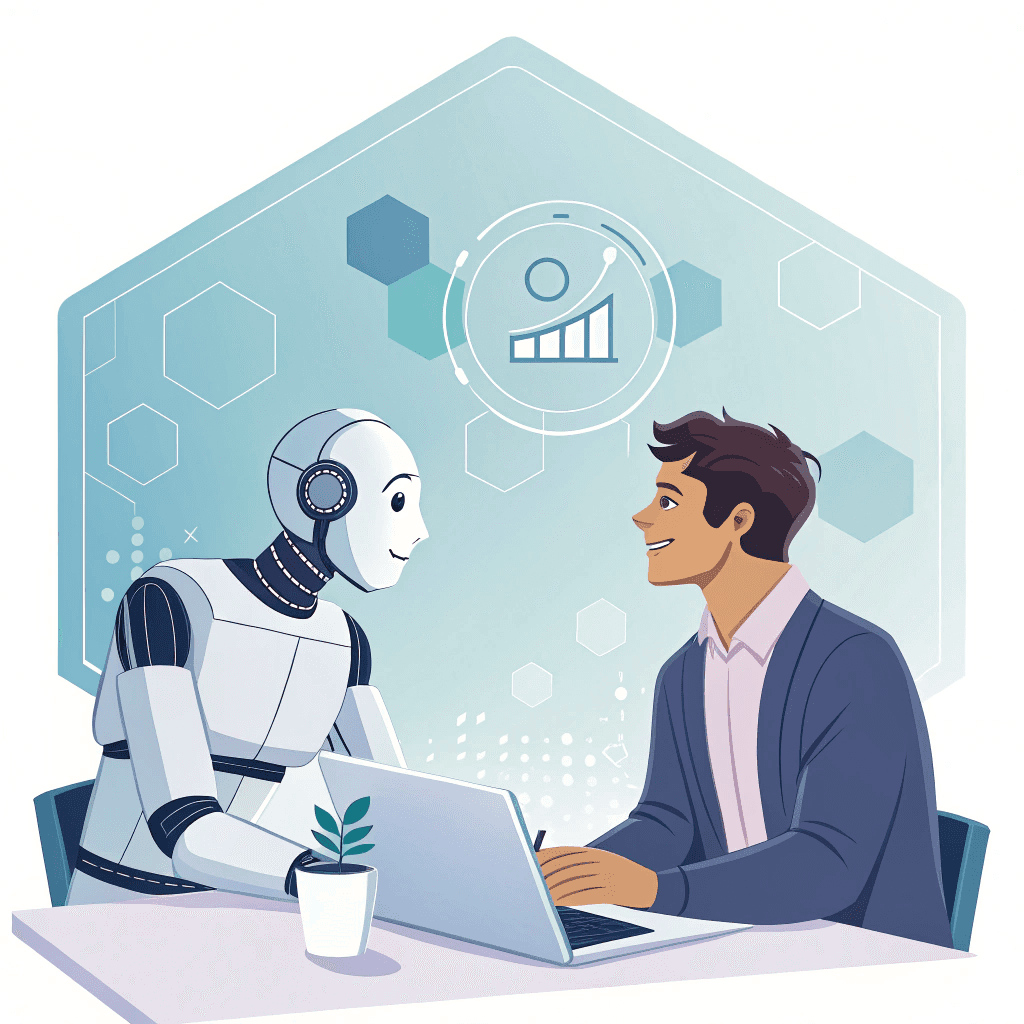
AI coaching provides managers with a unique advantage—it bridges the gap between human understanding and data intelligence. Through AI-driven analytics, managers can assess employee engagement patterns, monitor performance progress, and identify skill gaps more precisely than ever before. This enables targeted employee coaching sessions that focus on individual strengths, growth areas, and behavioral development. In essence, ai coaching elevates the traditional coaching experience from subjective evaluation to objective, actionable insight, empowering managers to lead with both empathy and evidence.
Click on 10 AI-Powered Training Tracking Tools Every L&D Leader Should Know in 2025
Why Coaching Matters in the Modern Workplace
Employee expectations have undergone a profound transformation in recent years. In today’s workforce, individuals are no longer motivated solely by compensation—they seek purpose, growth, flexibility, and connection within their professional environments. Modern employees want to feel that their work contributes meaningfully to a larger vision, that their skills are being developed, and that their managers are invested in their success. This shift in priorities has made effective employee coaching a central driver of organizational performance and retention.
Click on New Manager Training 101: Core Skills and Strategies for a Strong Start
According to studies conducted by global HR and leadership institutes, companies that embed a strong coaching culture into their core operations report up to 30% higher employee engagement and as much as 25% better retention rates. These findings underscore that coaching is no longer a supplementary leadership skill—it’s a strategic imperative. A well-structured employee coaching framework cultivates trust, enhances communication, and builds transparency in performance expectations, which together create a psychologically safe environment where employees can thrive.
The evolution of ai coaching has taken this concept even further. Through advanced data analytics and behavior-driven insights, AI coaching systems empower managers to understand their teams at a deeper level. These tools provide real-time performance feedback, identify trends in engagement or productivity, and offer personalized learning pathways tailored to individual development needs. This fusion of human empathy with technology-driven precision transforms traditional coaching into a more dynamic and continuous process—one that evolves alongside the employee’s journey.
Click on Manager Training 2025: 10 Topics That Prepare Teams for the AI-Driven Workplace
Why Many Managers Struggle with Coaching
Despite widespread recognition of coaching’s benefits, many managers still struggle to apply it effectively. Traditional leadership development programs often emphasize authority and control rather than collaboration and growth. In many organizations, managers lack structured training in coaching techniques, active listening, and emotional intelligence.
Moreover, with increasing workloads and distributed teams, managers often deprioritize employee coaching in favor of short-term performance demands. This results in disengaged employees, unclear expectations, and missed opportunities for talent retention. Manager skill development initiatives must therefore address these challenges by equipping leaders with both the mindset and the tools needed to coach effectively.
AI coaching systems can fill these gaps by offering micro-learning prompts, feedback summaries, and predictive analytics that guide managers toward better decision-making. By integrating technology with human-centered leadership, organizations can bridge the gap between intention and impact.
Click on Uncoaching: Why So Many Leaders Get Coaching Wrong
The Benefits of Effective Employee Coaching
Employee coaching delivers measurable benefits across every level of an organization. When managers adopt a coaching mindset supported by AI coaching insights, they achieve several critical outcomes:
Enhanced motivation: Employees feel more valued and understood, driving intrinsic motivation and accountability.
Increased engagement: Coaching fosters open communication and helps employees align personal goals with organizational objectives.
Stronger retention: Consistent feedback and career growth discussions reduce turnover and strengthen employee loyalty.
Improved performance: With clearer direction and ongoing support, employees perform more effectively and with greater confidence.
Leadership pipeline growth: Coaching prepares employees for future leadership roles, creating a sustainable succession strategy.
AI coaching amplifies these outcomes by providing managers with deeper visibility into behavioral trends, skill progression, and engagement data. The result is a continuous improvement loop where employee coaching drives performance while technology refines and scales the process.
Click on 15 First-Time Manager Challenges And How To Overcome Them
The 6 Core Coaching Skills Every Manager Needs
1. Active Listening
At the heart of employee coaching lies active listening—the ability to fully understand and respond to what employees are communicating, both verbally and nonverbally. Managers who master this skill build trust and psychological safety, enabling more open and honest conversations. AI coaching tools can complement this by analyzing tone, sentiment, and engagement cues, helping managers refine their listening and feedback techniques.
2. Powerful Questioning
Asking thoughtful, open-ended questions encourages employees to think critically and take ownership of their growth. Effective manager skill development programs emphasize this skill, as it promotes reflection and autonomy. AI-driven learning platforms can suggest relevant questions or conversation frameworks based on employee data, making coaching sessions more impactful.
3. Constructive Feedback
Feedback is most effective when it’s timely, actionable, and balanced. Managers must learn to provide feedback that inspires improvement rather than defensiveness. AI coaching systems assist by tracking performance patterns and suggesting objective, data-informed feedback that supports development without bias.
4. Goal Alignment and Accountability
Successful employee coaching links personal aspirations with business objectives. Managers must ensure that employees understand how their contributions impact organizational outcomes. AI coaching applications can automate goal tracking, progress measurement, and milestone reminders, keeping both managers and employees accountable.
5. Emotional Intelligence
Coaching is not only about performance—it’s about understanding people. Emotional intelligence helps managers empathize, motivate, and manage conflict effectively. Through AI-assisted coaching simulations and analytics, managers can assess their emotional responses and receive insights to improve empathy-driven leadership.
6. Continuous Learning Mindset
The most effective managers are lifelong learners. They adapt to new technologies, embrace feedback, and model growth-oriented behavior. Incorporating AI coaching into manager skill development ensures that learning remains personalized and consistent, helping managers evolve alongside their teams.
Conclusion
As technology continues to transform the modern workplace, the integration of ai coaching into traditional leadership and development frameworks marks one of the most significant shifts in organizational growth. Rather than replacing human connection, AI serves as a powerful amplifier—providing data-driven insights, behavioral patterns, and personalized recommendations that enhance the human element of leadership. In this new era, technology acts as a strategic partner, allowing managers to elevate the impact of their employee coaching efforts while maintaining authenticity and empathy at the core of every interaction.
AI coaching platforms are revolutionizing how organizations approach learning and performance. These intelligent systems can evaluate performance metrics, analyze communication trends, predict burnout risks, and design individualized development plans. By automating administrative and analytical tasks, ai coaching frees managers to focus on what truly matters—building trust, nurturing emotional intelligence, and fostering meaningful dialogue with their teams. This balance between technological precision and human empathy creates a leadership model that is both data-informed and deeply human.
Within this evolving ecosystem, manager skill development becomes a continuous, adaptive process. With AI-driven insights, manager skill development programs can now evolve beyond traditional classroom learning into real-time, personalized coaching experiences. AI systems can provide managers with immediate feedback on their leadership styles, identify gaps in communication or engagement, and suggest actionable steps for improvement. As a result, leadership growth becomes iterative, evidence-based, and aligned with both individual and organizational goals.
Employee coaching, strengthened by AI capabilities, is now central to creating resilient and high-performing teams. Managers who leverage AI coaching can identify motivation drivers, recognize behavioral shifts, and tailor coaching sessions to match each employee’s strengths and aspirations. This personalized approach not only enhances engagement and retention but also helps employees feel seen, valued, and supported—a critical factor in sustaining high morale in hybrid or remote work settings.
In 2025 and beyond, coaching is evolving from an HR-led initiative into a core business imperative. Organizations that understand the strategic value of employee coaching and ai coaching integration will be better positioned to navigate disruption and maintain agility. The future of leadership depends on the ability to blend emotional intelligence with technological fluency—creating leaders who can analyze data as skillfully as they can inspire people.
Manager skill development programs must therefore adapt to embed ai coaching principles as foundational components of leadership training. This evolution empowers managers to move beyond task management and into roles as mentors, motivators, and catalysts for organizational change. When leaders are equipped with AI-enhanced insights and advanced coaching capabilities, they can foster cultures rooted in continuous improvement, trust, and collaboration.
Click on Simplifying Sales Pitches with AI: What High-Performing Teams Are Doing Differently
FAQ
1. What is AI coaching, and how does it differ from traditional employee coaching?
AI coaching uses artificial intelligence to enhance traditional coaching practices. Unlike conventional methods that rely solely on human observation and feedback, AI coaching analyzes behavioral data, engagement trends, and performance metrics to provide managers with real-time insights. This data helps make employee coaching more personalized, objective, and scalable, while still allowing human empathy to remain central to the coaching relationship.
2. Why is AI coaching important for modern organizations?
AI coaching is essential in today’s fast-paced, hybrid work environment because it enables continuous learning and performance improvement. It allows organizations to identify skill gaps, predict challenges such as burnout or disengagement, and deliver timely interventions. Integrating AI coaching into leadership development ensures that every manager and employee receives data-backed support to enhance motivation, retention, and productivity.
3. How does AI coaching support manager skill development?
AI coaching strengthens manager skill development by offering targeted feedback, progress tracking, and behavior analysis. It helps managers understand their coaching effectiveness, refine communication techniques, and adopt leadership behaviors that drive engagement. Through AI-powered analytics, managers gain deeper insights into their team dynamics, enabling more precise and impactful employee coaching.
4. Can AI coaching replace human managers or coaches?
No, AI coaching is not meant to replace human leaders—it enhances their ability to coach effectively. While AI provides data, insights, and predictive analysis, the emotional intelligence, empathy, and interpersonal connection that human managers bring remain irreplaceable. The best outcomes occur when AI insights are combined with authentic, human-centered coaching.
5. How does employee coaching powered by AI improve retention and engagement?Employee coaching supported by AI creates a personalized development journey for each individual. By identifying unique strengths, preferences, and growth opportunities, AI enables managers to tailor their coaching style to each team member. This personal touch, backed by real-time insights, makes employees feel valued and supported, which significantly improves motivation, engagement, and long-term retention.
References
Deloitte. (2024). Human Capital Trends: The Future of Leadership and AI-Driven Development.
https://www.deloitte.com/global/en/pages/human-capital/articles/human-capital-trends.htmlMcKinsey & Company. (2024). The Rise of AI Coaching: Building Better Leaders in a Digital World.
https://www.mckinsey.com/capabilities/people-and-organizational-performanceHarvard Business Review. (2023). How AI Is Transforming Leadership Development and Employee Coaching.
https://hbr.orgGartner. (2024). Leadership Development in the Age of AI and Automation.
https://www.gartner.com/en/human-resources

From onboarding to leadership — empower managers with data-driven, AI-powered journeys tailored to their roles.
Discover the Program
Develop High-Performing Leaders
2x Faster
and drive measurable business results.
Nikita Jain is a dynamic CEO and recognized leader passionate about harnessing technology and capability development to unlock the full potential of individuals and organizations. With over a decade of rich experience spanning enterprise learning, digital transformations, and strategic HR consulting at top firms like EY, PwC, and Korn Ferry, Nikita excels at driving significant, measurable success.