Transform your top talent into High-Impact Managers
Transform your top talent into High-Impact Managers
Transform your top talent into High-Impact Managers
Transform your top talent into High-Impact Managers
Equip new and existing managers with personalised development paths, real-world scenarios, and AI-guided coaching that helps them lead teams, resolve conflicts, and drive results.
Equip new and existing managers with personalised development paths, real-world scenarios, and AI-guided coaching that helps them lead teams, resolve conflicts, and drive results.

Stakeholder ROI
Presentation
Stakeholder ROI
Presentation
Stakeholder ROI
Presentation
Stakeholder ROI
Presentation
Performance Review
Framework
Performance Review
Framework
Performance Review
Framework
Performance Review
Framework
Goal Setting
Template
Goal Setting
Template
Goal Setting
Template
Goal Setting
Template

Playbooks and Work Templates
Playbooks and Work Templates
Playbooks and Work Templates
Playbooks and Work Templates

AI Mentor
AI Mentor
AI Mentor
AI Mentor

Manager tips
Manager tips
Manager tips
Manager tips
Listen more than you speak
Listen more than you speak
Listen more than you speak
Listen more than you speak
Pause before responding in discussions. Ask follow-up questions to understand perspectives.
Pause before responding in discussions. Ask follow-up questions to understand perspectives.
Pause before responding in discussions. Ask follow-up questions to understand perspectives.
Pause before responding in discussions. Ask follow-up questions to understand perspectives.

Delegating
Delegating
Delegating
Delegating
Nov 27th - Dec 25th
Nov 27th - Dec 25th
Nov 27th - Dec 25th
Nov 27th - Dec 25th

Nurturing Talent
Nurturing Talent
Nurturing Talent
Nurturing Talent
Jan 1st - Feb 15th
Jan 1st - Feb 15th
Jan 1st - Feb 15th
Jan 1st - Feb 15th
Driving Results
Driving Results
Driving Results
Driving Results
Feb 16th - Mar 25th
Feb 16th - Mar 25th
Feb 16th - Mar 25th
Feb 16th - Mar 25th
Trusted by leading companies to improve productivity, performance, and retention


















Trusted by leading companies to improve productivity, performance, and retention
Trusted by leading companies to improve productivity, performance, and retention
Trusted by leading companies to improve productivity, performance, and retention
Your Best Performer ≠ Great Manager
Promoting top performers into leadership roles without the right training leads to unprepared managers, team friction, and missed goals.
How do I resolve conflicts without taking sides?
How do I delegate tasks without micromanaging?
How do I give feedback without sounding harsh?
How do I transition from peer to leader without losing rapport?
How do I stop overworking and trust my team?
How do I prioritize when everything feels urgent?
Why does communication always break down?
How do I motivate a team that’s losing steam?
What if my team doesn’t respect me as a leader?
How do I set clear expectations without sounding controlling?
How do I handle criticism from my team or superiors?
How do I say ‘no’ to unrealistic deadlines?
How do I keep my team motivated during high-pressure sprints?
Why does my team keep missing deadlines?
Close the Leadership Gap Before You Lose Your Team and Your Best Performer
Your Best Performer ≠ Great Manager
Promoting top performers into leadership roles without the right training leads to unprepared managers, team friction, and missed goals.
How do I resolve conflicts without taking sides?
How do I delegate tasks without micromanaging?
How do I give feedback without sounding harsh?
How do I transition from peer to leader without losing rapport?
How do I stop overworking and trust my team?
How do I prioritize when everything feels urgent?
Why does communication always break down?
How do I motivate a team that’s losing steam?
What if my team doesn’t respect me as a leader?
How do I set clear expectations without sounding controlling?
How do I handle criticism from my team or superiors?
How do I say ‘no’ to unrealistic deadlines?
How do I keep my team motivated during high-pressure sprints?
Why does my team keep missing deadlines?
Close the Leadership Gap Before You Lose Your Team and Your Best Performer
Your Best Performer ≠ Great Manager
Promoting top performers into leadership roles without the right training leads to unprepared managers, team friction, and missed goals.
How do I resolve conflicts without taking sides?
How do I delegate tasks without micromanaging?
How do I give feedback without sounding harsh?
How do I transition from peer to leader without losing rapport?
How do I stop overworking and trust my team?
How do I prioritize when everything feels urgent?
Why does communication always break down?
How do I motivate a team that’s losing steam?
What if my team doesn’t respect me as a leader?
How do I set clear expectations without sounding controlling?
How do I handle criticism from my team or superiors?
How do I say ‘no’ to unrealistic deadlines?
How do I keep my team motivated during high-pressure sprints?
Why does my team keep missing deadlines?
Close the Leadership Gap Before You Lose Your Team and Your Best Performer
Your Best Performer ≠ Great Manager
Promoting top performers into leadership roles without the right training leads to unprepared managers, team friction, and missed goals.
How do I resolve conflicts without taking sides?
How do I delegate tasks without micromanaging?
How do I give feedback without sounding harsh?
How do I transition from peer to leader without losing rapport?
How do I stop overworking and trust my team?
How do I prioritize when everything feels urgent?
Why does communication always break down?
How do I motivate a team that’s losing steam?
What if my team doesn’t respect me as a leader?
How do I set clear expectations without sounding controlling?
How do I handle criticism from my team or superiors?
How do I say ‘no’ to unrealistic deadlines?
How do I keep my team motivated during high-pressure sprints?
Why does my team keep missing deadlines?
Close the Leadership Gap Before You Lose Your Team and Your Best Performer
The Solution
Eubrics AI Turns Top Talent into Confident Managers
Eubrics AI Turns Top Talent into Confident Managers
Eubrics AI Turns Top Talent into Confident Managers
Eubrics AI Turns Top Talent into Confident Managers
From Doing To
Leading
From Doing To Leading
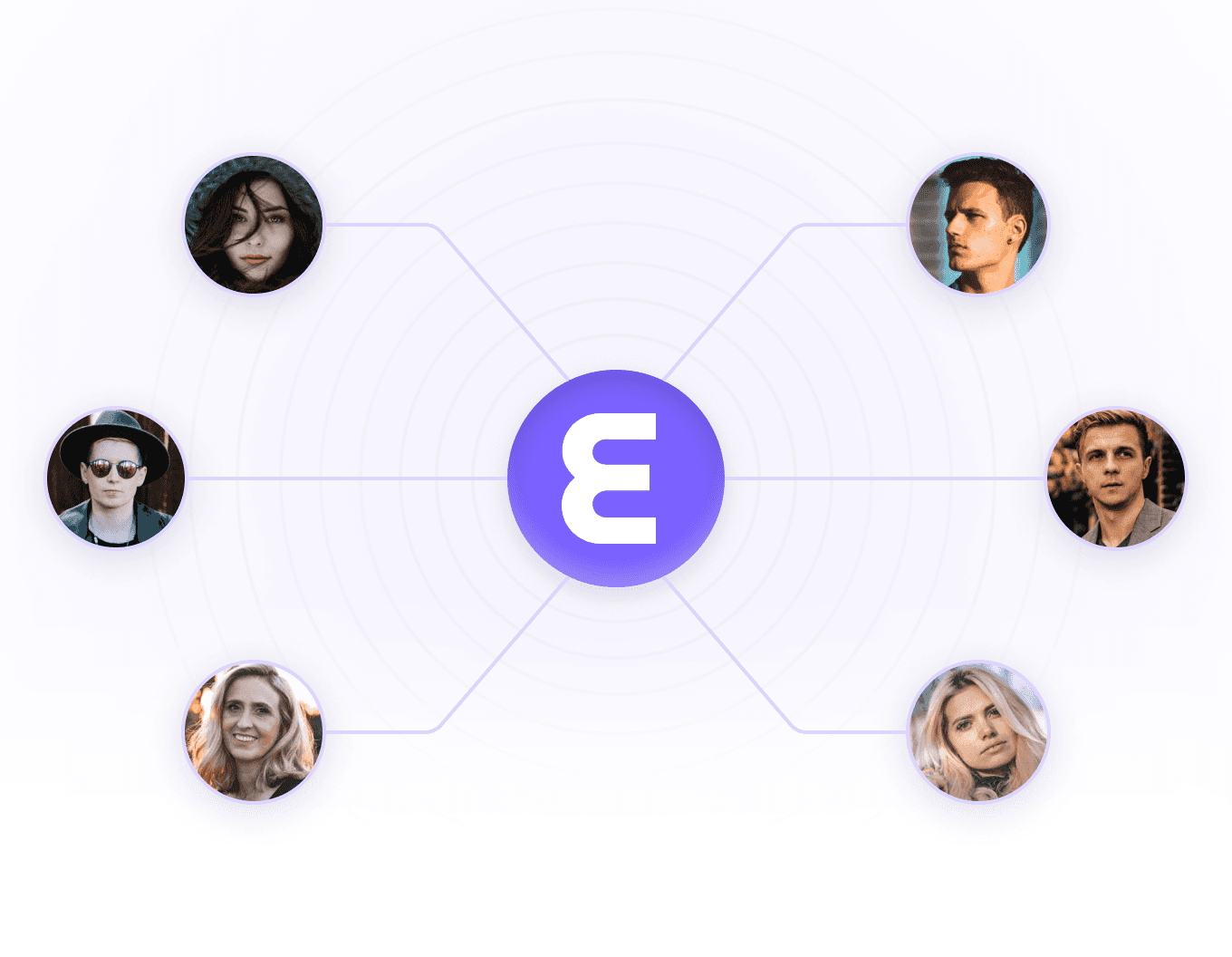
Building High Performance Teams
Building High Performance Teams
Making Data Driven Decisions
Making Data Driven Decisions
Driving Outcomes With Goals
Driving Outcomes With Goals
How it Works
How it Works
Manager Development Journeys
Manager Development Journeys
Custom training paths built for every manager.
Custom training paths built for every manager.

Nuturing Team Members
Nov 27th - Dec 25th
5/5
(100%)
Completed
Gold

Feedback, Tough Talks and Performance Reviews
Jan 1st - Feb 15th
8/8
(100%)
Completed
Silver
Delegating
Feb 16th - Mar 25th
2/3
(100%)
Completed
Bronze

Driving Business Results
Apr 1st - May 25th
20/25
(80%)
Ongoing
AI Mentor Copilot
AI Mentor Copilot
Tailored playbooks that adapt to real manager conversations.
Tailored playbooks that adapt to real manager conversations.


AI Mentor
New Chat
Chat History
Can you tell me more about the problem that you are facing at work?
How do I delegate tasks while maintaining the quality of my work?
Effective Delegation as an Engineering Manager
To delegate effectively while maintaining quality:
Identify Tasks:
Align assignments with team members’ skills or growth goals.
Example: Code reviews for seniors, small projects for mid-level engineers.
Set SMART Outcomes:
Example: “Refactor X module with 100% test coverage by Friday.”
Provide Clarity:
Offer clear documentation and examples.
Implement Quality Checks:
Use peer reviews or automated testing.
Track Progress Transparently:
Leverage tools like Jira and Confluence.
Offer Feedback Post-Delivery:
Provide constructive feedback to ensure continuous improvement.
Maintain Final Approval for Critical Steps:
Balance autonomy with accountability.
How do you feel about these suggestions? Do you think they could help in your department?
Write Something Here
Manager Toolkits
Manager Toolkits
Ready-to-use tools for real-world managerial challenges.
Ready-to-use tools for real-world managerial challenges.

AI
Driving Results
How can I effectively drive results within my team?
As a senior manager, you should translate business goals into technical OKRs/SMART milestones (e.g., API latency reduction, and feature deadlines). Break projects into sprints; assign tasks by expertise, mentor juniors, and audit skills. Ensure accountability via standups, sprint reviews, and post-mortems.
Automate workflows (CI/CD) and upgrade infrastructure to eliminate bottlenecks. You should also foster collaboration via design sprints, cross-team pairing, and innovation time. Lead with technical empathy: stay hands-on, set realistic timelines, and prioritize sustainable pacing.
Ask AI Mentor
Real-Time Manager Nudges
Real-Time Manager Nudges
Real-time, personalised prompts to reinforce learning and drive better decisions.
Real-time, personalised prompts to reinforce learning and drive better decisions.
Use insights for smart decisions
Delegate tasks with clear ownership
Address and resolve conflicts fast
Run focused, goal-oriented meetings
Playbooks and Work Templates
Playbooks and Work Templates
Step-by-step frameworks and templates for everyday manager tasks.
Step-by-step frameworks and templates for everyday manager tasks.

People & Teams
Workload Planner Template
Helps balance team capacity, prioritize tasks, and prevent overload through clear visibility

Leadership & Strategy
Performance Review Framework
Structured approach to evaluating performance, giving feedback, and growth

People & Teams
Motivating Your Team
Learn actionable steps to build transparency and trust in your team.

People & Teams
Managing Team Conflicts
Learn actionable steps to build transparency and trust in your team.
Personalised Learning Paths
Personalised Learning Paths
Tailored learning recommendations for each manager’s growth areas.
Tailored learning recommendations for each manager’s growth areas.
Article

Handle Each Person Differently
Article

Define Weekly and Monthly Outcomes, Daily Tasks
Article
Track Progress on Outcomes, Not Activity
Article
Handle Each Person Differently
Article
Define Weekly and Monthly Outcomes, Daily Tasks
Article
Track Progress on Outcomes, Not Activity
Custom Case Study Scenarios
Custom Case Study Scenarios
Custom Case Study Scenarios
Tailored scenarios to enhance strategic thinking and problem-solving.
Tailored scenarios to enhance strategic thinking and problem-solving.
Scenario
Team productivity is declining due to outdated tools. A senior developer proposes a new platform that could boost efficiency long-term but requires a steep learning curve and may face resistance.
Question
How to balance immediate productivity with long-term innovation?
Option
Adopt the new platform immediately, accepting short-term productivity loss for future gains.
Keep current tools for now, gradually train the team on the new platform.
Survey the team, implement a phased transition based on majority preference.
Hybrid approach (split team between old/new tools), risking communication issues.
Testimonials
Hear from companies that transformed their leadership with Eubrics AI

“ At Gulf Oil India we are committed to developing our internal talent through innovative and forward-looking developmental offerings. Our employees embarked on this exciting developmental journey, integrated with generative AI. Shoutout to Eubrics on this transformative journey! “

Varsha Motwani
Head - Talent Management & Leadership Development
“ Our journey with Eubrics began last year, and it has been transformative. 100 people have taken an incredible 85,000 actions—a massive leap forward. We’ve now quantified the impact on our performance, engagement, and learning, revealing significant changes. For us at Vikas Group, Eubrics has become more than just a tool; it’s a new way of life. “

Mansi Das
Group Head Human Resources
“ We recently introduced Eubrics to my team, and the results have been incredible. With the first phase completed, the detailed reports provided valuable insights into each team member's strengths and development areas—visibility I never had before. Now, we’re using these insights, along with atomic habits, to drive meaningful growth. Huge thanks to Eubrics and its team for these game-changing insights. “

Pratap Sethu Madhavan
Head - Talent Management & Leadership Development
Personal information concealed for privacy protection.

“ As a growing startup, tech has been a game-changer for us—not just in scaling but in shaping our culture and innovation mindset. It has given us deeper insights into our people, strengthened our focus on tech, and helped us build strong daily habits. We have unlocked a new path to productivity and performance. “
Amit Boni
Founder & CEO

“ One of our new managers struggled with handling a disengaged team member. Through the platform’s structured journey, they first learned how to diagnose team dynamics, then used guided exercises to practice difficult conversations. When it came time to apply it, the AI mentor provided real-time coaching, helping frame feedback constructively and set clear expectations. Instead of relying on trial and error, the manager navigated the situation effectively, boosting both morale and performance. This blend of hands-on experience, structured guidance, and AI-driven support has made a real impact in how our managers grow into their roles. “

Manan Shah
Co-Founder

“ When we scaled rapidly after funding, many of our best individual contributors were promoted to managers overnight. The challenge? They had no structured support to navigate leadership. This platform gave them a real, hands-on journey to grow into their roles. Our managers struggled with delivering tough feedback without demotivating the team. The AI mentor walked them through structuring the conversation, offering the right phrasing, and even predicting possible reactions. With this support, they handled the situation confidently, turning a potential conflict into a productive discussion. Within weeks, we saw a shift in confidence and decision-making. It’s no longer just about filling leadership roles—it’s about creating capable leaders who can drive growth. “

Rajit Shaji
Founder & CEO
Testimonials
Hear from companies that transformed their leadership with Eubrics AI
“ At Gulf Oil India we are committed to developing our internal talent through innovative and forward-looking developmental offerings. Our employees embarked on this exciting developmental journey, integrated with generative AI. Shoutout to Eubrics on this transformative journey! “
Varsha Motwani
Head - Talent Management & Leadership Development
“ Our journey with Eubrics began last year, and it has been transformative. 100 people have taken an incredible 85,000 actions—a massive leap forward. We’ve now quantified the impact on our performance, engagement, and learning, revealing significant changes. For us at Vikas Group, Eubrics has become more than just a tool; it’s a new way of life. “
Mansi Das
Group Head Human Resources
“ We recently introduced Eubrics to my team, and the results have been incredible. With the first phase completed, the detailed reports provided valuable insights into each team member's strengths and development areas—visibility I never had before. Now, we’re using these insights, along with atomic habits, to drive meaningful growth. Huge thanks to Eubrics and its team for these game-changing insights. “
Pratap Sethu Madhavan
Head - Talent Management & Leadership Development
Personal information concealed for privacy protection.
“ As a growing startup, tech has been a game-changer for us—not just in scaling but in shaping our culture and innovation mindset. It has given us deeper insights into our people, strengthened our focus on tech, and helped us build strong daily habits. We have unlocked a new path to productivity and performance. “
Amit Boni
Founder & CEO
“ One of our new managers struggled with handling a disengaged team member. Through the platform’s structured journey, they first learned how to diagnose team dynamics, then used guided exercises to practice difficult conversations. When it came time to apply it, the AI mentor provided real-time coaching, helping frame feedback constructively and set clear expectations. Instead of relying on trial and error, the manager navigated the situation effectively, boosting both morale and performance. This blend of hands-on experience, structured guidance, and AI-driven support has made a real impact in how our managers grow into their roles. “
Manan Shah
Co-Founder
“ When we scaled rapidly after funding, many of our best individual contributors were promoted to managers overnight. The challenge? They had no structured support to navigate leadership. This platform gave them a real, hands-on journey to grow into their roles. Our managers struggled with delivering tough feedback without demotivating the team. The AI mentor walked them through structuring the conversation, offering the right phrasing, and even predicting possible reactions. With this support, they handled the situation confidently, turning a potential conflict into a productive discussion. Within weeks, we saw a shift in confidence and decision-making. It’s no longer just about filling leadership roles—it’s about creating capable leaders who can drive growth. “
Rajit Shaji
Founder & CEO
Testimonials
Hear from companies that transformed their leadership with Eubrics AI
“ At Gulf Oil India we are committed to developing our internal talent through innovative and forward-looking developmental offerings. Our employees embarked on this exciting developmental journey, integrated with generative AI. Shoutout to Eubrics on this transformative journey! “
Varsha Motwani
Head - Talent Management & Leadership Development
“ Our journey with Eubrics began last year, and it has been transformative. 100 people have taken an incredible 85,000 actions—a massive leap forward. We’ve now quantified the impact on our performance, engagement, and learning, revealing significant changes. For us at Vikas Group, Eubrics has become more than just a tool; it’s a new way of life. “
Mansi Das
Group Head Human Resources
“ We recently introduced Eubrics to my team, and the results have been incredible. With the first phase completed, the detailed reports provided valuable insights into each team member's strengths and development areas—visibility I never had before. Now, we’re using these insights, along with atomic habits, to drive meaningful growth. Huge thanks to Eubrics and its team for these game-changing insights. “
Pratap Sethu Madhavan
Head - Talent Management & Leadership Development
Personal information concealed for privacy protection.
“ As a growing startup, tech has been a game-changer for us—not just in scaling but in shaping our culture and innovation mindset. It has given us deeper insights into our people, strengthened our focus on tech, and helped us build strong daily habits. We have unlocked a new path to productivity and performance. “
Amit Boni
Founder & CEO
“ One of our new managers struggled with handling a disengaged team member. Through the platform’s structured journey, they first learned how to diagnose team dynamics, then used guided exercises to practice difficult conversations. When it came time to apply it, the AI mentor provided real-time coaching, helping frame feedback constructively and set clear expectations. Instead of relying on trial and error, the manager navigated the situation effectively, boosting both morale and performance. This blend of hands-on experience, structured guidance, and AI-driven support has made a real impact in how our managers grow into their roles. “
Manan Shah
Co-Founder
“ When we scaled rapidly after funding, many of our best individual contributors were promoted to managers overnight. The challenge? They had no structured support to navigate leadership. This platform gave them a real, hands-on journey to grow into their roles. Our managers struggled with delivering tough feedback without demotivating the team. The AI mentor walked them through structuring the conversation, offering the right phrasing, and even predicting possible reactions. With this support, they handled the situation confidently, turning a potential conflict into a productive discussion. Within weeks, we saw a shift in confidence and decision-making. It’s no longer just about filling leadership roles—it’s about creating capable leaders who can drive growth. “
Rajit Shaji
Founder & CEO
Testimonials
Hear from companies that transformed their leadership with Eubrics AI
“ At Gulf Oil India we are committed to developing our internal talent through innovative and forward-looking developmental offerings. Our employees embarked on this exciting developmental journey, integrated with generative AI. Shoutout to Eubrics on this transformative journey! “
Varsha Motwani
Head - Talent Management & Leadership Development
“ Our journey with Eubrics began last year, and it has been transformative. 100 people have taken an incredible 85,000 actions—a massive leap forward. We’ve now quantified the impact on our performance, engagement, and learning, revealing significant changes. For us at Vikas Group, Eubrics has become more than just a tool; it’s a new way of life. “
Mansi Das
Group Head Human Resources
“ We recently introduced Eubrics to my team, and the results have been incredible. With the first phase completed, the detailed reports provided valuable insights into each team member's strengths and development areas—visibility I never had before. Now, we’re using these insights, along with atomic habits, to drive meaningful growth. Huge thanks to Eubrics and its team for these game-changing insights. “
Pratap Sethu Madhavan
Head - Talent Management & Leadership Development
Personal information concealed for privacy protection.
“ As a growing startup, tech has been a game-changer for us—not just in scaling but in shaping our culture and innovation mindset. It has given us deeper insights into our people, strengthened our focus on tech, and helped us build strong daily habits. We have unlocked a new path to productivity and performance. “
Amit Boni
Founder & CEO
“ One of our new managers struggled with handling a disengaged team member. Through the platform’s structured journey, they first learned how to diagnose team dynamics, then used guided exercises to practice difficult conversations. When it came time to apply it, the AI mentor provided real-time coaching, helping frame feedback constructively and set clear expectations. Instead of relying on trial and error, the manager navigated the situation effectively, boosting both morale and performance. This blend of hands-on experience, structured guidance, and AI-driven support has made a real impact in how our managers grow into their roles. “
Manan Shah
Co-Founder
“ When we scaled rapidly after funding, many of our best individual contributors were promoted to managers overnight. The challenge? They had no structured support to navigate leadership. This platform gave them a real, hands-on journey to grow into their roles. Our managers struggled with delivering tough feedback without demotivating the team. The AI mentor walked them through structuring the conversation, offering the right phrasing, and even predicting possible reactions. With this support, they handled the situation confidently, turning a potential conflict into a productive discussion. Within weeks, we saw a shift in confidence and decision-making. It’s no longer just about filling leadership roles—it’s about creating capable leaders who can drive growth. “
Rajit Shaji
Founder & CEO
Integrations For Plug and Play with Your Systems
Integrations For Plug and Play with Your Systems
Integrations For Plug and Play with Your Systems
CRM
HRMS
ATS
Communication & SSO

Salesforce

HubSpot

Freshsales

Zoho CRM
10+ More Integrations
CRM
HRMS
ATS
Communication & SSO
Salesforce
HubSpot
Freshsales
Zoho CRM
10+ More Integrations
CRM
HRMS
ATS
Communication & SSO
Salesforce
HubSpot
Freshsales
Zoho CRM
10+ More Integrations
Unfiltered User Stories
Real stories of how user achieved outcomes using Eubrics
***** *****
Generalist
PWC
In our today's S&OP meeting, I started by warmly greeting the team and inquired about the well-being of a colleague who had been unwell. Understanding that his situation stemmed from living away from his family, I expressed genuine concern and offered any necessary support, even suggesting the possibility of relocating his family to his job location for better support. We took some time to discuss personal matters with other team members as well, emphasizing the importance of health and encouraging an open environment where everyone feels comfortable seeking and offering help. Transitioning to the agenda on inventory optimization, I invited each team member to share their previous experiences with similar projects, the strategies they used, the challenges they faced & how did they overcome those challenges.
Department
Logistics
Type
Manager
***** *****
Generalist
PWC
**Scenario: Building Agility through the Rule of Three** To adapt to unpredictable work changes, I established a routine focusing on three key actions. First, I set three personal development goals: mastering a new project management tool, enhancing my negotiation skills, and improving work-life balance.
Department
OneConsulting
Type
Manager
***** *****
Generalist
PWC
In a team collaboration meeting, I encountered an unexpected shift in the project timeline. Rather than pushing back against the change, I utilized the Backfire effect strategy to navigate my reaction. I considered the positive aspect of having additional time for comprehensive research, as well as the potential downside of an increased workload. By recognizing my initial bias towards avoiding extra work, I came to understand that the advantages of the timeline adjustment surpassed the potential negatives.
Department
Risk Consulting
Type
Manager
***** *****
Executive
Ample
This principle is incredibly effective in a work scenario like training new sales associates. By applying the "2-minute rule" during training, you can streamline the process and ensure nothing gets missed or delayed. Here’s how it would play out: Quick Clarifications: If a new associate asks a quick question that can be answered in under two minutes, answer it immediately. Instead of saying, “I’ll get back to you later,” it’s better to address it right away to keep the flow of the training. Small Corrections: If the associate makes a small mistake during a demonstration or exercise that can be corrected in a couple of minutes, address it right there. This prevents the need to revisit the error later and ensures they learn the correct approach on the spot.
Department
Retail Sales
Type
Manager
***** *****
Generalist
PWC
**Scenario: Building Agility through the Rule of Three** To adapt to unpredictable work changes, I established a routine focusing on three key actions. First, I set three personal development goals: mastering a new project management tool, enhancing my negotiation skills, and improving work-life balance.
Department
OneConsulting
Type
Manager
***** *****
Generalist
PWC
In a team collaboration meeting, I encountered an unexpected shift in the project timeline. Rather than pushing back against the change, I utilized the Backfire effect strategy to navigate my reaction. I considered the positive aspect of having additional time for comprehensive research, as well as the potential downside of an increased workload. By recognizing my initial bias towards avoiding extra work, I came to understand that the advantages of the timeline adjustment surpassed the potential negatives.
Department
Risk Consulting
Type
Manager
***** *****
Generalist
PWC
In a team collaboration meeting, I encountered an unexpected shift in the project timeline. Rather than pushing back against the change, I utilized the Backfire effect strategy to navigate my reaction. I considered the positive aspect of having additional time for comprehensive research, as well as the potential downside of an increased workload. By recognizing my initial bias towards avoiding extra work, I came to understand that the advantages of the timeline adjustment surpassed the potential negatives.
Department
Risk Consulting
Type
Manager
***** *****
Generalist
PWC
**Scenario: Building Agility through the Rule of Three** To adapt to unpredictable work changes, I established a routine focusing on three key actions. First, I set three personal development goals: mastering a new project management tool, enhancing my negotiation skills, and improving work-life balance.
Department
OneConsulting
Type
Manager
***** *****
Generalist
PWC
In our today's S&OP meeting, I started by warmly greeting the team and inquired about the well-being of a colleague who had been unwell. Understanding that his situation stemmed from living away from his family, I expressed genuine concern and offered any necessary support, even suggesting the possibility of relocating his family to his job location for better support. We took some time to discuss personal matters with other team members as well, emphasizing the importance of health and encouraging an open environment where everyone feels comfortable seeking and offering help. Transitioning to the agenda on inventory optimization, I invited each team member to share their previous experiences with similar projects, the strategies they used, the challenges they faced & how did they overcome those challenges.
Department
Logistics
Type
Manager
Unfiltered User Stories
Real stories of how user achieved outcomes using Eubrics
***** *****
Generalist
PWC
In our today's S&OP meeting, I started by warmly greeting the team and inquired about the well-being of a colleague who had been unwell. Understanding that his situation stemmed from living away from his family, I expressed genuine concern and offered any necessary support, even suggesting the possibility of relocating his family to his job location for better support. We took some time to discuss personal matters with other team members as well, emphasizing the importance of health and encouraging an open environment where everyone feels comfortable seeking and offering help. Transitioning to the agenda on inventory optimization, I invited each team member to share their previous experiences with similar projects, the strategies they used, the challenges they faced & how did they overcome those challenges.
Department
Logistics
Type
Manager
***** *****
Generalist
PWC
**Scenario: Building Agility through the Rule of Three** To adapt to unpredictable work changes, I established a routine focusing on three key actions. First, I set three personal development goals: mastering a new project management tool, enhancing my negotiation skills, and improving work-life balance.
Department
OneConsulting
Type
Manager
***** *****
Generalist
PWC
In a team collaboration meeting, I encountered an unexpected shift in the project timeline. Rather than pushing back against the change, I utilized the Backfire effect strategy to navigate my reaction. I considered the positive aspect of having additional time for comprehensive research, as well as the potential downside of an increased workload. By recognizing my initial bias towards avoiding extra work, I came to understand that the advantages of the timeline adjustment surpassed the potential negatives.
Department
Risk Consulting
Type
Manager
***** *****
Executive
Ample
This principle is incredibly effective in a work scenario like training new sales associates. By applying the "2-minute rule" during training, you can streamline the process and ensure nothing gets missed or delayed. Here’s how it would play out: Quick Clarifications: If a new associate asks a quick question that can be answered in under two minutes, answer it immediately. Instead of saying, “I’ll get back to you later,” it’s better to address it right away to keep the flow of the training. Small Corrections: If the associate makes a small mistake during a demonstration or exercise that can be corrected in a couple of minutes, address it right there. This prevents the need to revisit the error later and ensures they learn the correct approach on the spot.
Department
Retail Sales
Type
Manager
***** *****
Generalist
PWC
**Scenario: Building Agility through the Rule of Three** To adapt to unpredictable work changes, I established a routine focusing on three key actions. First, I set three personal development goals: mastering a new project management tool, enhancing my negotiation skills, and improving work-life balance.
Department
OneConsulting
Type
Manager
***** *****
Generalist
PWC
In a team collaboration meeting, I encountered an unexpected shift in the project timeline. Rather than pushing back against the change, I utilized the Backfire effect strategy to navigate my reaction. I considered the positive aspect of having additional time for comprehensive research, as well as the potential downside of an increased workload. By recognizing my initial bias towards avoiding extra work, I came to understand that the advantages of the timeline adjustment surpassed the potential negatives.
Department
Risk Consulting
Type
Manager
***** *****
Generalist
PWC
In a team collaboration meeting, I encountered an unexpected shift in the project timeline. Rather than pushing back against the change, I utilized the Backfire effect strategy to navigate my reaction. I considered the positive aspect of having additional time for comprehensive research, as well as the potential downside of an increased workload. By recognizing my initial bias towards avoiding extra work, I came to understand that the advantages of the timeline adjustment surpassed the potential negatives.
Department
Risk Consulting
Type
Manager
***** *****
Generalist
PWC
**Scenario: Building Agility through the Rule of Three** To adapt to unpredictable work changes, I established a routine focusing on three key actions. First, I set three personal development goals: mastering a new project management tool, enhancing my negotiation skills, and improving work-life balance.
Department
OneConsulting
Type
Manager
***** *****
Generalist
PWC
In our today's S&OP meeting, I started by warmly greeting the team and inquired about the well-being of a colleague who had been unwell. Understanding that his situation stemmed from living away from his family, I expressed genuine concern and offered any necessary support, even suggesting the possibility of relocating his family to his job location for better support. We took some time to discuss personal matters with other team members as well, emphasizing the importance of health and encouraging an open environment where everyone feels comfortable seeking and offering help. Transitioning to the agenda on inventory optimization, I invited each team member to share their previous experiences with similar projects, the strategies they used, the challenges they faced & how did they overcome those challenges.
Department
Logistics
Type
Manager
Unfiltered User Stories
Real stories of how user achieved outcomes using Eubrics
***** *****
Generalist
PWC
In our today's S&OP meeting, I started by warmly greeting the team and inquired about the well-being of a colleague who had been unwell. Understanding that his situation stemmed from living away from his family, I expressed genuine concern and offered any necessary support, even suggesting the possibility of relocating his family to his job location for better support. We took some time to discuss personal matters with other team members as well, emphasizing the importance of health and encouraging an open environment where everyone feels comfortable seeking and offering help. Transitioning to the agenda on inventory optimization, I invited each team member to share their previous experiences with similar projects, the strategies they used, the challenges they faced & how did they overcome those challenges.
Department
Logistics
Type
Manager
***** *****
Generalist
PWC
**Scenario: Building Agility through the Rule of Three** To adapt to unpredictable work changes, I established a routine focusing on three key actions. First, I set three personal development goals: mastering a new project management tool, enhancing my negotiation skills, and improving work-life balance.
Department
OneConsulting
Type
Manager
***** *****
Executive
Ample
This principle is incredibly effective in a work scenario like training new sales associates. By applying the "2-minute rule" during training, you can streamline the process and ensure nothing gets missed or delayed. Here’s how it would play out: Quick Clarifications: If a new associate asks a quick question that can be answered in under two minutes, answer it immediately. Instead of saying, “I’ll get back to you later,” it’s better to address it right away to keep the flow of the training. Small Corrections: If the associate makes a small mistake during a demonstration or exercise that can be corrected in a couple of minutes, address it right there. This prevents the need to revisit the error later and ensures they learn the correct approach on the spot.
Department
Retail Sales
Type
Manager
***** *****
Generalist
PWC
In a team collaboration meeting, I encountered an unexpected shift in the project timeline. Rather than pushing back against the change, I utilized the Backfire effect strategy to navigate my reaction. I considered the positive aspect of having additional time for comprehensive research, as well as the potential downside of an increased workload. By recognizing my initial bias towards avoiding extra work, I came to understand that the advantages of the timeline adjustment surpassed the potential negatives.
Department
Risk Consulting
Type
Manager
***** *****
Generalist
PWC
**Scenario: Building Agility through the Rule of Three** To adapt to unpredictable work changes, I established a routine focusing on three key actions. First, I set three personal development goals: mastering a new project management tool, enhancing my negotiation skills, and improving work-life balance.
Department
OneConsulting
Type
Manager
***** *****
Generalist
PWC
In our today's S&OP meeting, I started by warmly greeting the team and inquired about the well-being of a colleague who had been unwell. Understanding that his situation stemmed from living away from his family, I expressed genuine concern and offered any necessary support, even suggesting the possibility of relocating his family to his job location for better support. We took some time to discuss personal matters with other team members as well, emphasizing the importance of health and encouraging an open environment where everyone feels comfortable seeking and offering help. Transitioning to the agenda on inventory optimization, I invited each team member to share their previous experiences with similar projects, the strategies they used, the challenges they faced & how did they overcome those challenges.
Department
Logistics
Type
Manager
Unfiltered User Stories
Real stories of how user achieved outcomes using Eubrics
***** *****
Executive
Ample
This principle is incredibly effective in a work scenario like training new sales associates. By applying the "2-minute rule" during training, you can streamline the process and ensure nothing gets missed or delayed. Here’s how it would play out: Quick Clarifications: If a new associate asks a quick question that can be answered in under two minutes, answer it immediately. Instead of saying, “I’ll get back to you later,” it’s better to address it right away to keep the flow of the training. Small Corrections: If the associate makes a small mistake during a demonstration or exercise that can be corrected in a couple of minutes, address it right there. This prevents the need to revisit the error later and ensures they learn the correct approach on the spot.
Department
Retail Sales
Type
Manager
***** *****
Generalist
PWC
**Scenario: Building Agility through the Rule of Three** To adapt to unpredictable work changes, I established a routine focusing on three key actions. First, I set three personal development goals: mastering a new project management tool, enhancing my negotiation skills, and improving work-life balance.
Department
OneConsulting
Type
Manager
***** *****
Generalist
PWC
In our today's S&OP meeting, I started by warmly greeting the team and inquired about the well-being of a colleague who had been unwell. Understanding that his situation stemmed from living away from his family, I expressed genuine concern and offered any necessary support, even suggesting the possibility of relocating his family to his job location for better support. We took some time to discuss personal matters with other team members as well, emphasizing the importance of health and encouraging an open environment where everyone feels comfortable seeking and offering help. Transitioning to the agenda on inventory optimization, I invited each team member to share their previous experiences with similar projects, the strategies they used, the challenges they faced & how did they overcome those challenges.
Department
Logistics
Type
Manager
***** *****
Generalist
PWC
In a team collaboration meeting, I encountered an unexpected shift in the project timeline. Rather than pushing back against the change, I utilized the Backfire effect strategy to navigate my reaction. I considered the positive aspect of having additional time for comprehensive research, as well as the potential downside of an increased workload. By recognizing my initial bias towards avoiding extra work, I came to understand that the advantages of the timeline adjustment surpassed the potential negatives.
Department
Risk Consulting
Type
Manager
See Your AI Manager Coach in Action
See Your AI Manager Coach in Action
See Your AI Manager Coach in Action
Get a personalised walkthrough of how our platform supports manager development with real-time coaching and learning journeys.