




















Personalized Organizational Development Platform
Personalized Organizational Development Platform
Develop every employee. Grow the whole organization.
Develop every employee. Grow the whole organization.
Develop every employee. Grow the whole organization.
Give every employee a personalised development journey based on their role, skills, career stage, and your business priorities. Bring assessments, learning, practice, mentoring, projects, and performance together in one connected platform.

Assess
Understand current capability.
Assess
Understand current capability.
Assess
Understand current capability.
Assess
Understand current capability.
Trusted by Leading Enterprises
Trusted by Leading Enterprises
Trusted by Leading Enterprises
Trusted by Leading Enterprises
MEASURABLE WORKFORCE IMPACT
Real business impact driven for our current clients.
Real business impact driven for our current clients.
Real business impact driven for our current clients.
Move beyond course completion. Track whether people are participating voluntarily, building capability, and improving performance.
80%
Voluntary adoption
20%
Measured improvement in skill scores
1,000+
Roles supported
4.7 / 5
Platform satisfaction
80%
Voluntary adoption
1,000+
Roles supported
20%
Measured improvement in skill scores
4.7 / 5
Platform satisfaction
CONTINUOUS CAPABILITY DEVELOPMENT
CONTINUOUS CAPABILITY DEVELOPMENT
Turn role expectations into measurable performance.
Turn role expectations into measurable performance.
Turn role expectations into measurable performance.
Turn role expectations into measurable performance.
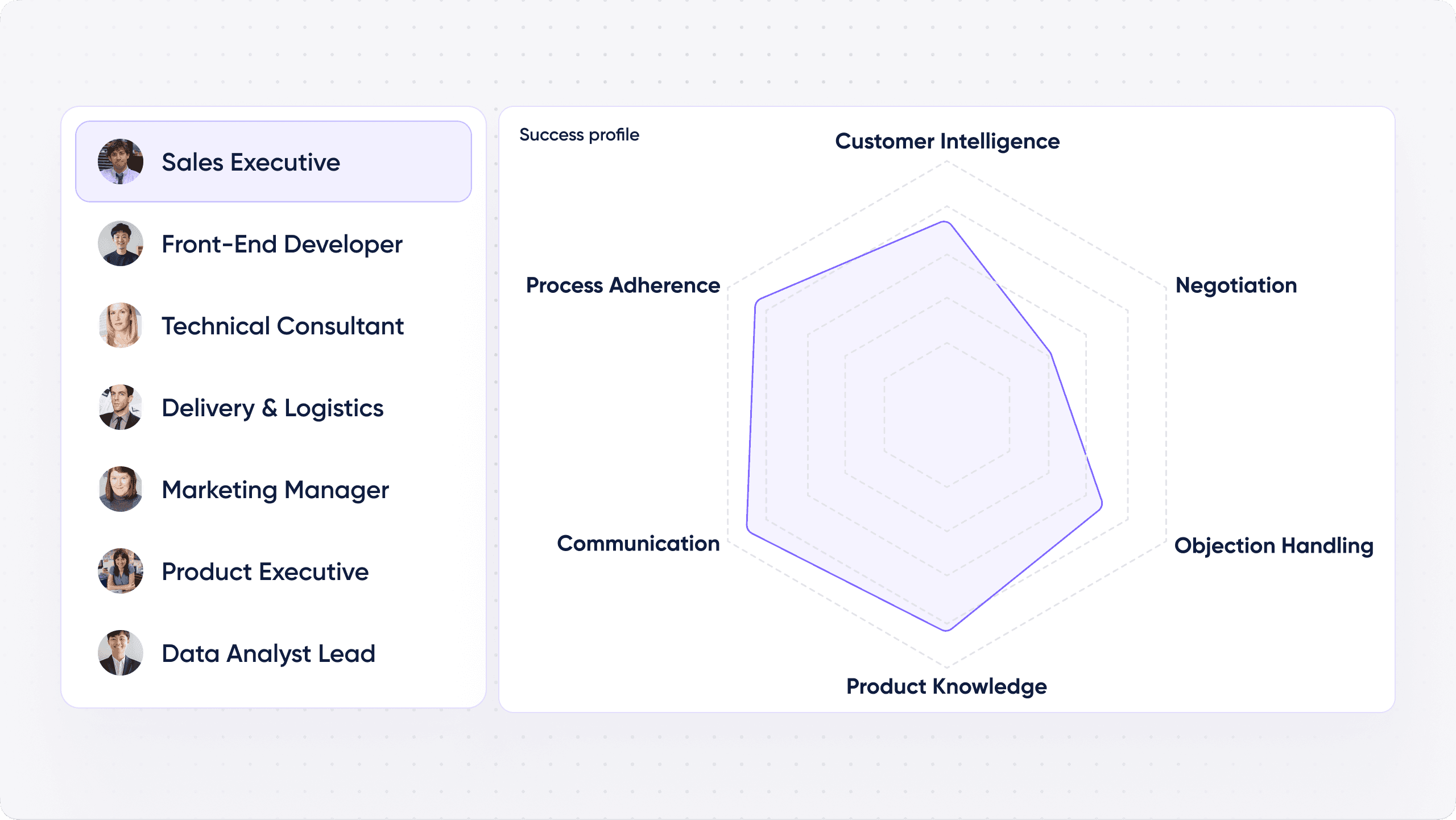
Define the capabilities each role needs, understand where people stand, build personalized development journeys, and prove that skills are improving over time.
Define the capabilities each role needs, understand where people stand, build personalized development journeys, and prove that skills are improving over time.
Role Skill Map
Assessment Center
Development Journeys
AI Content Authoring
Impact Analytics
Role Skill Map
Assessment Center
Development Journey
AI Content Authoring
Impact Analytics
Built for Modern Workforce Development
Designed for how organizations develop people.
One connected platform for Talent Development, L&D, managers, and employees—bringing skills, learning, and performance together.
Personalized Development Journeys
Full-Suite Assessment Centre
Applied Learning Experiences
VILT & Cohort Programs
Action Learning Projects
AI Mentor
Feedback, Nudges & Pulse Surveys
A different pathway for every role, employee, and development need.
Build journeys around current capability, role expectations, aspirations, business priorities, and preferred ways of learning.

Built for Modern Workforce Development
Designed for how organizations develop people.
One connected platform for Talent Development, L&D, managers, and employees—bringing skills, learning, and performance together.
Personalized Development Journeys
Full-Suite Assessment Centre
Applied Learning Experiences
VILT & Cohort Programs
Action Learning Projects
AI Mentor
Feedback, Nudges & Pulse Surveys
A different pathway for every role, employee, and development need.
Build journeys around current capability, role expectations, aspirations, business priorities, and preferred ways of learning.
Built for Modern Workforce Development
Designed for how organizations develop people.
One connected platform for Talent Development, L&D, managers, and employees—bringing skills, learning, and performance together.
Personalized Development Journeys
Full-Suite Assessment Centre
Applied Learning Experiences
VILT & Cohort Programs
Action Learning Projects
AI Mentor
Feedback, Nudges & Pulse Surveys
Custom training paths built for every manager.
Build journeys around current capability, role expectations, aspirations, business priorities, and preferred ways of learning.
Built for Modern Workforce Development
Designed for how organizations develop people.
One connected platform for Talent Development, L&D, managers, and employees—bringing skills, learning, and performance together.
Personalized Development Journeys
Full-Suite Assessment Centre
Applied Learning Experiences
VILT & Cohort Programs
Action Learning Projects
AI Mentor
Feedback, Nudges & Pulse Surveys
A different pathway for every role, employee, and development need.
Build journeys around current capability, role expectations, aspirations, business priorities, and preferred ways of learning.
Customer results
Real Results from Teams Using AI Roleplay
Teams started with a clear goal, saw impact, and scaled what worked.
Guillermo Mata


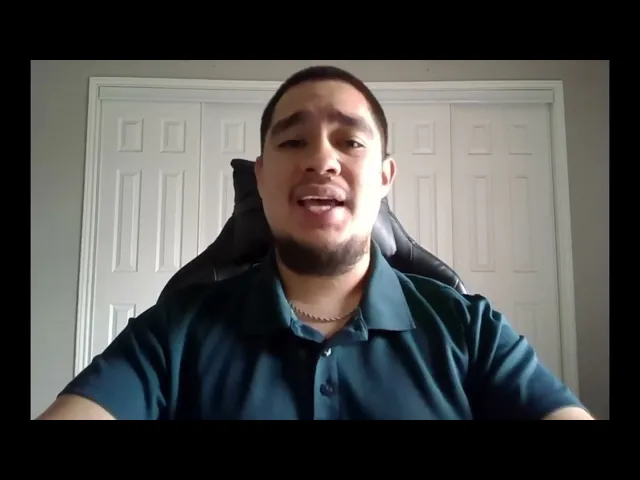
“ My team and I had a great time using the Eubrics AI bots to pitch our product and handle objections that were spot-on to what we hear from real clients. It gave us a fun, real-time way to practice and warm up before actual sales calls. The scoring insights were surprisingly accurate and gave me clear visibility into my team’s performance. “

Christian Zaragoza
Himani Vardhani



“ As a sales trainer and roleplay lover, Eubrics has changed the game for me. The AI generates real-world objections and diverse responses that go beyond typical classroom roleplays, while custom metrics give us measurable insight into agent growth. The ability to tailor scenarios to our training programs has been incredibly valuable—and this feels like just the beginning. "

Guillermo Mata
Christian Zaragoza
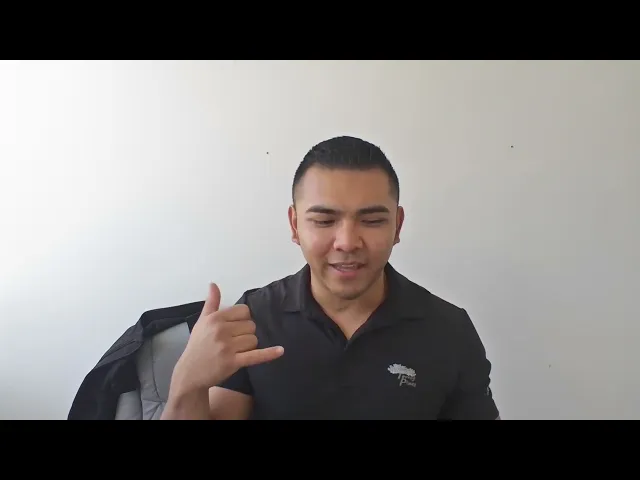

“ Through our affiliation with Eubrics AI, participants in our 4-week training had access to AI-enhanced assessments, virtual mentoring, and interactive practice that reinforced real learning. Rather than encouraging shortcuts, Eubrics helped participants truly master concepts and think better on their feet- supporting stronger service delivery, empathy, and handling of tense situations. "
Rupal Shah Koshy

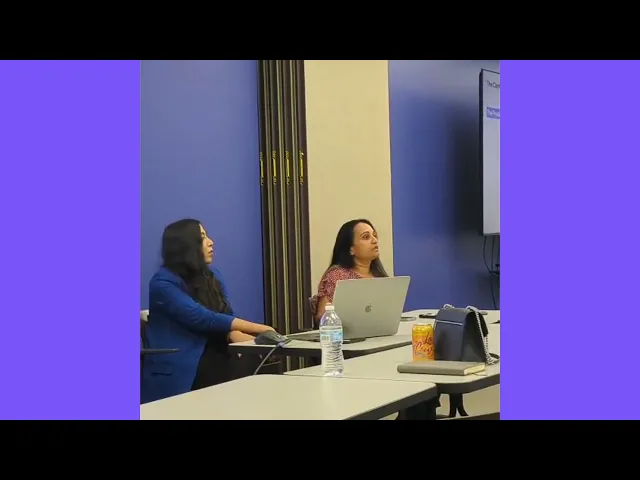

“ With the support of the Eubrics AI team, we built a technology-driven capability-building ecosystem for our frontline retail sales teams. This initiative is enabling Safari to deliver a consistent and superior customer experience across stores, while strengthening objection handling, boosting confidence, and enhancing brand storytelling. “
Nakul Sharma
Regional Head HR - North @Safari
Priya Nayak

“ Eubrics’ AI-powered learning module has been a key intervention in our ELP leadership academy at Airtel, enabling personalized development journeys aligned to individual roles and needs, making learning more impactful and engaging. The platform provides targeted interventions, strong visibility into progress, and data-backed insights on capability building. Our partnership with the Eubrics team has been seamless and highly supportive throughout. "

Himani Vardhani
Sr. Learning Partner at Airtel
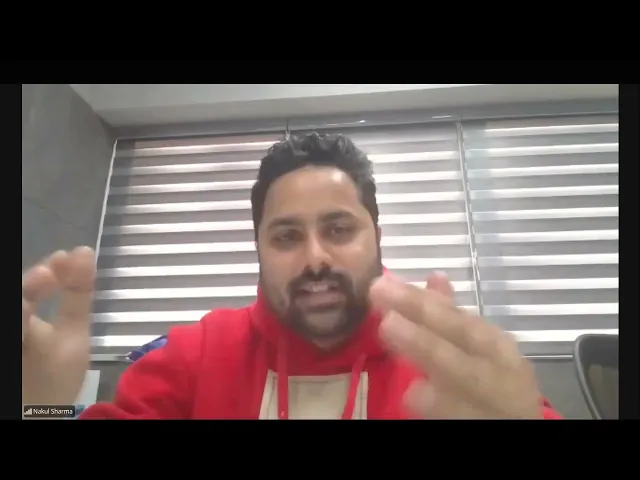
Nakul Sharma

Shivani Mishra


Customer results
Real Results from Teams Using AI Roleplay
Teams started with a clear goal, saw impact, and scaled what worked.
Guillermo Mata
“ My team and I had a great time using the Eubrics AI bots to pitch our product and handle objections that were spot-on to what we hear from real clients. It gave us a fun, real-time way to practice and warm up before actual sales calls. The scoring insights were surprisingly accurate and gave me clear visibility into my team’s performance. “
Christian Zaragoza
Himani Vardhani
“ As a sales trainer and roleplay lover, Eubrics has changed the game for me. The AI generates real-world objections and diverse responses that go beyond typical classroom roleplays, while custom metrics give us measurable insight into agent growth. The ability to tailor scenarios to our training programs has been incredibly valuable—and this feels like just the beginning. "
Guillermo Mata
Christian Zaragoza
“ Through our affiliation with Eubrics AI, participants in our 4-week training had access to AI-enhanced assessments, virtual mentoring, and interactive practice that reinforced real learning. Rather than encouraging shortcuts, Eubrics helped participants truly master concepts and think better on their feet- supporting stronger service delivery, empathy, and handling of tense situations. "
Rupal Shah Koshy
“ With the support of the Eubrics AI team, we built a technology-driven capability-building ecosystem for our frontline retail sales teams. This initiative is enabling Safari to deliver a consistent and superior customer experience across stores, while strengthening objection handling, boosting confidence, and enhancing brand storytelling. “
Nakul Sharma
Regional Head HR - North @Safari
Priya Nayak
“ Eubrics’ AI-powered learning module has been a key intervention in our ELP leadership academy at Airtel, enabling personalized development journeys aligned to individual roles and needs, making learning more impactful and engaging. The platform provides targeted interventions, strong visibility into progress, and data-backed insights on capability building. Our partnership with the Eubrics team has been seamless and highly supportive throughout. "
Himani Vardhani
Sr. Learning Partner at Airtel
Nakul Sharma
Shivani Mishra
Customer results
Real Results from Teams Using AI Roleplay
Teams started with a clear goal, saw impact, and scaled what worked.
Guillermo Mata

“ My team and I had a great time using the Eubrics AI bots to pitch our product and handle objections that were spot-on to what we hear from real clients. It gave us a fun, real-time way to practice and warm up before actual sales calls. The scoring insights were surprisingly accurate and gave me clear visibility into my team’s performance. “
Christian Zaragoza
Himani Vardhani

“ As a sales trainer and roleplay lover, Eubrics has changed the game for me. The AI generates real-world objections and diverse responses that go beyond typical classroom roleplays, while custom metrics give us measurable insight into agent growth. The ability to tailor scenarios to our training programs has been incredibly valuable—and this feels like just the beginning. "
Guillermo Mata
Christian Zaragoza

“ Through our affiliation with Eubrics AI, participants in our 4-week training had access to AI-enhanced assessments, virtual mentoring, and interactive practice that reinforced real learning. Rather than encouraging shortcuts, Eubrics helped participants truly master concepts and think better on their feet- supporting stronger service delivery, empathy, and handling of tense situations. "
Rupal Shah Koshy


“ With the support of the Eubrics AI team, we built a technology-driven capability-building ecosystem for our frontline retail sales teams. This initiative is enabling Safari to deliver a consistent and superior customer experience across stores, while strengthening objection handling, boosting confidence, and enhancing brand storytelling. “
Nakul Sharma
Regional Head HR - North @Safari
Priya Nayak

“ Eubrics’ AI-powered learning module has been a key intervention in our ELP leadership academy at Airtel, enabling personalized development journeys aligned to individual roles and needs, making learning more impactful and engaging. The platform provides targeted interventions, strong visibility into progress, and data-backed insights on capability building. Our partnership with the Eubrics team has been seamless and highly supportive throughout. "
Himani Vardhani
Sr. Learning Partner at Airtel
Nakul Sharma
Shivani Mishra
Customer results
Real Results from Teams Using AI Roleplay
Teams started with a clear goal, saw impact, and scaled what worked.
Guillermo Mata
“ My team and I had a great time using the Eubrics AI bots to pitch our product and handle objections that were spot-on to what we hear from real clients. It gave us a fun, real-time way to practice and warm up before actual sales calls. The scoring insights were surprisingly accurate and gave me clear visibility into my team’s performance. “
Christian Zaragoza
Himani Vardhani
“ As a sales trainer and roleplay lover, Eubrics has changed the game for me. The AI generates real-world objections and diverse responses that go beyond typical classroom roleplays, while custom metrics give us measurable insight into agent growth. The ability to tailor scenarios to our training programs has been incredibly valuable—and this feels like just the beginning. "
Guillermo Mata
Christian Zaragoza
“ Through our affiliation with Eubrics AI, participants in our 4-week training had access to AI-enhanced assessments, virtual mentoring, and interactive practice that reinforced real learning. Rather than encouraging shortcuts, Eubrics helped participants truly master concepts and think better on their feet- supporting stronger service delivery, empathy, and handling of tense situations. "
Rupal Shah Koshy
“ With the support of the Eubrics AI team, we built a technology-driven capability-building ecosystem for our frontline retail sales teams. This initiative is enabling Safari to deliver a consistent and superior customer experience across stores, while strengthening objection handling, boosting confidence, and enhancing brand storytelling. “
Nakul Sharma
Regional Head HR - North @Safari
Priya Nayak
“ Eubrics’ AI-powered learning module has been a key intervention in our ELP leadership academy at Airtel, enabling personalized development journeys aligned to individual roles and needs, making learning more impactful and engaging. The platform provides targeted interventions, strong visibility into progress, and data-backed insights on capability building. Our partnership with the Eubrics team has been seamless and highly supportive throughout. "
Himani Vardhani
Sr. Learning Partner at Airtel
Nakul Sharma
Shivani Mishra

Built for how enterprises buy
A compliance posture that security and procurement can sign off on quickly.
4.7 out of 5

G2 Rating

ISO 27001 certified
Independently audited information security management system.

SOC 2 compliant
Controls audited for security, availability, and confidentiality.
End-to-End Encryption
Data encrypted at rest and in transit across every call and record.
Role-based access
Granular permissions so managers, reps, and admins see only what they should.
Built for how enterprises buy
A compliance posture that security and procurement can sign off on quickly.
4.7 out of 5
G2 Rating
ISO 27001 certified
Independently audited information security management system.
SOC 2 compliant
Controls audited for security, availability, and confidentiality.
End-to-End Encryption
Data encrypted at rest and in transit across every call and record.
Role-based access
Granular permissions so managers, reps, and admins see only what they should.
Built for how enterprises buy
A compliance posture that security and procurement can sign off on quickly.
4.7 out of 5
G2 Rating
ISO 27001 certified
Independently audited information security management system.
SOC 2 compliant
Controls audited for security, availability, and confidentiality.
End-to-End Encryption
Data encrypted at rest and in transit across every call and record.
Role-based access
Granular permissions so managers, reps, and admins see only what they should.
Built for how enterprises buy
A compliance posture that security and procurement can sign off on quickly.
4.7 out of 5
G2 Rating
ISO 27001 certified
Independently audited information security management system.
SOC 2 compliant
Controls audited for security, availability, and confidentiality.
End-to-End Encryption
Data encrypted at rest and in transit across every call and record.
Role-based access
Granular permissions so managers, reps, and admins see only what they should.
Connect Eubrics to the systems your teams already use.
Connect Eubrics to the systems your teams already use.
Connect Eubrics to the systems your teams already use.
Bring together role data, employee information, learning resources, performance signals, and development activity across your existing HR and learning ecosystem—without replacing the tools you already use.
CRM
HRMS
ATS
Communication & SSO

Salesforce

HubSpot

Freshsales

Zoho CRM
10+ More Integrations
CRM
HRMS
ATS
Communication & SSO
Salesforce
HubSpot
Freshsales
Zoho CRM
10+ More Integrations
CRM
HRMS
ATS
Communication & SSO
Salesforce
HubSpot
Freshsales
Zoho CRM
10+ More Integrations
BUILT AROUND YOUR DEVELOPMENT PRIORITIES
One platform. Multiple workforce-development use cases.
One platform. Multiple workforce-development use cases.
One platform. Multiple workforce-development use cases.
Use the same foundation of role intelligence, assessment, development, application, and measurement across different populations and business priorities.
Enterprise-Wide Capability Development
Create consistent capability frameworks and personalized pathways across roles, functions, and geographies.
Create consistent capability frameworks and personalized pathways across roles, functions, and geographies.
High-Potential Development
Create differentiated journeys for future leaders using assessments, projects, mentoring, and measurable readiness.
Create differentiated journeys for future leaders using assessments, projects, mentoring, and measurable readiness.
Org Wide Learning Management System
Build structured academies for technology, operations, customer service, consulting, finance, or other specialist populations.
Build structured academies for technology, operations, customer service, consulting, finance, or other specialist populations.
Manager & Leadership Development
Build stronger managers through assessment, cohort learning, practice, mentoring, toolkits, and workplace application.
Sales Capability Development
Develop product knowledge, discovery, objection handling, value articulation, coaching, and customer-conversation skills.
Frontline & Call-Centre Development
Scale practical development across large distributed populations with roleplays, nudges, application tasks, and performance measurement.
Revenue Impact
Revenue Impact
+31% Win Rate Increase
+31% Win Rate Increase


Book a Personalized Demo
Bring one priority role. We'll build its development journey.
Share the role, the key capabilities, and the development challenge. We'll show how Eubrics turns them into personalised learning journeys, measurable progress, and clear capability insights.
A sample development journey for one of your real roles
Role-specific capability and skill mapping
Personalised learning pathways for different employee profiles
Clear progress tracking and business impact measurement
4.7 out of 5
G2 Rating

Book a Personalized Demo
Bring one priority role. We'll build its development journey.
Share the role, the key capabilities, and the development challenge. We'll show how Eubrics turns them into personalised learning journeys, measurable progress, and clear capability insights.
A sample development journey for one of your real roles
Role-specific capability and skill mapping
Personalised learning pathways for different employee profiles
Clear progress tracking and business impact measurement
4.7 out of 5
G2 Rating
Book a Personalized Demo
Bring one priority role. We'll build its development journey.
Share the role, the key capabilities, and the development challenge. We'll show how Eubrics turns them into personalised learning journeys, measurable progress, and clear capability insights.
A sample development journey for one of your real roles
Role-specific capability and skill mapping
Personalised learning pathways for different employee profiles
Clear progress tracking and business impact measurement
4.7 out of 5
G2 Rating
Book a Personalized Demo
Bring one priority role. We'll build its development journey.
Share the role, the key capabilities, and the development challenge. We'll show how Eubrics turns them into personalised learning journeys, measurable progress, and clear capability insights.
A sample development journey for one of your real roles
Role-specific capability and skill mapping
Personalised learning pathways for different employee profiles
Clear progress tracking and business impact measurement
4.7 out of 5
G2 Rating