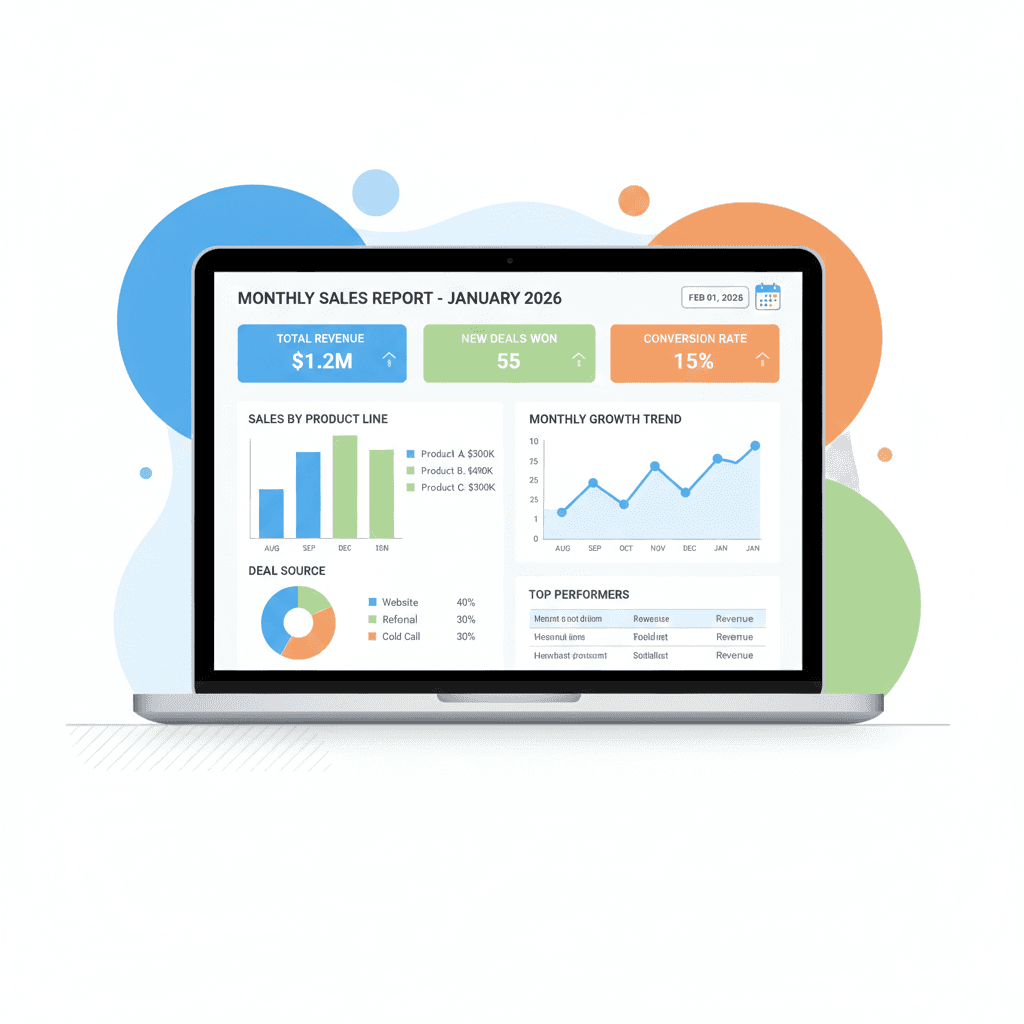
Sales Effectiveness

Maxim Dsouza

Introduction
In today’s rapidly evolving business environment, driven by AI-powered automation and sophisticated analytics, organizations are fundamentally rethinking how they define, measure, and track success in sales. Traditional approaches to evaluating performance, which often rely on simple metrics such as total revenue, number of calls, or deals closed, are increasingly insufficient to capture the full picture of sales effectiveness. Sales performance metrics have become a central component of modern sales management, providing HR leaders, managers, and sales professionals with the insights needed to assess both individual and team productivity, allocate resources efficiently, and make informed, data-driven decisions. By using robust sales performance metrics, organizations can go beyond surface-level indicators and gain a nuanced understanding of how different aspects of the sales process contribute to overall success.
Click on What Are ERGs? Everything Leaders & Employees Should Know
Modern sales kpi formats are designed to incorporate both quantitative and qualitative measures, moving past the limitations of traditional sales kpis examples. These contemporary sales kpi formats include customer engagement levels, response times, lead conversion probabilities, pipeline velocity, win rates, and predictive scoring derived from AI analytics. By adopting such advanced sales kpi formats, companies are able to track performance with greater accuracy, uncover hidden trends in sales behavior, and identify areas for skill improvement or process optimization. This integration of data-driven insights ensures that sales performance metrics not only reflect outcomes but also provide actionable guidance to refine sales strategies, improve coaching interventions, and enhance individual and team performance over time.
Incorporating comprehensive sales performance metrics into organizational processes allows for a more strategic and holistic approach to sales management. By leveraging modern sales kpi formats and utilizing a range of sales kpis examples to benchmark performance, organizations can systematically evaluate the effectiveness of their sales initiatives, monitor progress in real time, and align team objectives with overarching business goals. The combination of predictive analytics, engagement tracking, and pipeline insights ensures that sales performance metrics become a dynamic tool for continuous improvement, enabling HR leaders, managers, and sales professionals to make evidence-based decisions, prioritize high-impact activities, and foster a culture of accountability and high performance across the sales organization.
Click on Hiring Neurodiverse Talent: What Every Employer Should Know in 2025
Why Many Organizations Struggle With Modern Sales KPIs
Despite the availability of increasingly sophisticated analytics and AI-powered tools, many HR leaders and managers continue to face significant challenges when attempting to implement effective sales kpi formats across their teams. One of the most common obstacles is an overreliance on traditional sales kpis examples that emphasize volume-based indicators such as the number of calls made, meetings scheduled, or deals closed. While these metrics provide a basic snapshot of activity, they fail to capture the full spectrum of contributions from individual sales representatives or the collective impact of the team, overlooking qualitative aspects such as customer engagement, deal complexity, and pipeline development.
Click on 5 Questions to Ask in a Stay Interview (That Actually Reveal the Truth)
Another major challenge lies in integrating AI-driven insights with existing sales performance frameworks. Many organizations struggle to align predictive analytics, lead scoring, and real-time engagement metrics with established sales kpi formats. Without a clear understanding of how to translate AI-derived insights into actionable metrics, managers risk misinterpreting data or missing critical patterns in customer behavior that could inform strategy and coaching efforts. This disconnect can prevent teams from fully benefiting from advanced tools designed to enhance performance and optimize outcomes.
In addition, inconsistent reporting standards across departments or regions can create further complications. Variations in how sales performance metrics are defined, measured, and reported make it difficult to benchmark results accurately, compare performance across teams, or establish realistic targets. This lack of standardization can lead to misaligned expectations, reduced accountability, and missed opportunities for improvement. Recognizing and addressing these challenges is essential for organizations seeking to redefine sales performance metrics in a way that drives both strategic growth and operational excellence. By adopting modern sales kpi formats, leveraging AI analytics effectively, and moving beyond outdated sales kpis examples, HR leaders and managers can create a more accurate, actionable, and data-driven approach to measuring and enhancing sales performance across the organization.
Click on 4 Steps to Make DEI a Core Component of Performance Evaluations
Key Changes in Sales KPI Format Due to AI Automation
AI automation has transformed the way organizations design and monitor sales kpi formats. Key changes include:
Predictive Metrics Over Historical Metrics: AI enables forecasting future performance based on historical trends, moving organizations from reactive to proactive decision-making.
Behavioral and Engagement Indicators: Modern sales performance metrics now include customer engagement touchpoints, response times, and content interaction rates, providing deeper insights than purely numeric sales kpis examples.
Real-Time Reporting and Alerts: Automated dashboards allow managers to track sales performance metrics in real time, quickly identifying potential issues or opportunities for coaching.
Personalized KPIs: AI helps create individualized sales kpi formats that account for experience, territory, and product focus, ensuring fair and actionable measurement of performance.
These changes make it possible for HR leaders and managers to implement a more holistic and accurate evaluation system, enhancing coaching effectiveness and overall sales productivity.
Click on Artificial Intelligence Is Revolutionizing Sales Coaching
Benefits of Updating Sales KPIs in the AI Era
Redefining sales performance metrics using AI-driven insights provides several benefits:
Enhanced Decision-Making: AI-powered analytics allow managers to make data-driven decisions about resource allocation, pipeline management, and team development.
Improved Accuracy: Automated data collection reduces errors and ensures consistency across teams and regions.
Increased Accountability: Personalized sales kpi formats clarify expectations for individual reps while aligning with team and organizational goals.
Faster Performance Optimization: Real-time visibility into key metrics enables quicker identification of underperforming areas and targeted intervention.
Scalable Insights: AI can analyze large datasets across multiple channels, providing a comprehensive view of performance beyond traditional sales kpis examples.
These advantages highlight why integrating AI into sales kpi design is no longer optional but essential for organizations aiming to maintain competitive performance in a fast-evolving marketplace.
Click on How Conversational AI Can Change Sales Training And Processes
Actionable Strategies for Implementing Modern Sales KPIs
1. Align KPIs With Business Objectives
Ensure that sales performance metrics are closely tied to revenue targets, customer acquisition goals, and strategic priorities. A clear alignment ensures that every metric measured contributes meaningfully to organizational success.
2. Incorporate AI-Driven Metrics
Leverage AI analytics to move beyond historical performance and include predictive scoring, engagement tracking, and pipeline velocity as part of your sales kpi format.
3. Standardize Reporting and Dashboarding
Use unified dashboards to consolidate sales performance metrics across teams, providing HR leaders and managers with clear, actionable insights.
4. Personalize KPIs for Individual Reps
Adjust sales kpi formats based on experience, territory, and product focus to ensure fair assessment and actionable coaching insights.
5. Regularly Review and Adjust KPIs
AI insights evolve over time. Continuously review sales performance metrics to ensure they reflect current business priorities, market conditions, and emerging customer behaviors.
Conclusion
The era of AI-driven automation is profoundly reshaping the way organizations define, monitor, and optimize sales performance, fundamentally altering the role of sales performance metrics in strategic decision-making. Traditional metrics often fail to capture the full complexity of modern sales interactions, but modern sales performance metrics, enhanced by predictive analytics and AI-driven insights, provide HR leaders, managers, and sales professionals with a more accurate, actionable, and data-driven framework for evaluating success. By redesigning sales kpi formats to incorporate AI-generated insights, organizations can track both quantitative outcomes and qualitative engagement factors, ensuring that performance measurement reflects the true contributions of individual sales representatives and teams.
Updating sales kpi formats with AI capabilities allows organizations to move beyond conventional sales kpis examples, which often emphasize basic volume-based indicators such as number of calls, meetings, or closed deals. AI-enhanced metrics can incorporate predictive scoring, pipeline velocity, lead engagement trends, and customer interaction quality, providing a multidimensional view of performance that drives stronger accountability and more informed decision-making. These advanced sales performance metrics not only highlight areas for improvement but also identify opportunities for coaching and targeted interventions, enabling managers to optimize team performance more effectively and align individual efforts with broader business objectives.
Implementing AI-enhanced sales KPIs is more than a technological upgrade; it is a strategic imperative for building high-performing, resilient sales teams capable of navigating increasingly complex and competitive markets. By embedding modern sales kpi formats and AI-driven sales performance metrics into organizational processes, companies can foster a culture of continuous improvement, ensure consistent alignment with business goals, and accelerate sustainable growth. The integration of AI analytics into sales measurement empowers HR leaders and managers to evaluate performance with unprecedented precision, make proactive adjustments in real time, and cultivate a data-informed, high-achieving sales organization that thrives in today’s dynamic corporate environment.
Click on 7 Signs of Micromanagement—and How to Push Back Respectfully
Frequently Asked Questions (FAQ)
1. What are sales performance metrics?
Sales performance metrics are measurable indicators used to evaluate the effectiveness and productivity of sales teams. They help HR leaders, managers, and sales professionals track progress toward goals, assess individual and team performance, and make data-driven decisions.
2. How has AI automation changed sales KPIs?
AI automation has transformed sales KPIs by enabling predictive analytics, real-time insights, and advanced performance tracking. Modern sales kpi formats now include pipeline velocity, customer engagement metrics, lead scoring, and other AI-driven indicators, moving beyond traditional sales kpis examples that focus solely on volume-based measures.
3. What is a modern sales kpi format?
A modern sales kpi format integrates both quantitative and qualitative metrics, such as revenue, conversion rates, customer engagement, and predictive scoring. It aligns with AI-driven analytics to provide actionable insights for coaching, strategy optimization, and performance improvement.
4. Can AI-enhanced sales performance metrics replace traditional sales kpis examples?
AI-enhanced sales performance metrics complement and, in many cases, replace outdated sales kpis examples by providing a multidimensional view of sales effectiveness. They track both results and behaviors, giving managers a more accurate and actionable understanding of team performance.
5. How do organizations measure the effectiveness of AI-driven sales KPIs?
Effectiveness can be measured through improvements in conversion rates, revenue per rep, pipeline efficiency, lead engagement, and forecast accuracy. Combining these metrics with qualitative feedback ensures that sales performance metrics reflect both output and skill development.
6. Why should HR leaders and managers update their sales kpi formats?
Updating sales kpi formats ensures that performance measurement keeps pace with evolving market conditions, AI automation, and customer expectations. Modern sales performance metrics provide actionable insights, improve accountability, and help teams focus on high-impact activities.
7. What are some common sales kpis examples in AI-driven programs?
Common sales kpis examples in AI-driven programs include predictive lead scoring, pipeline velocity, win rates, customer engagement touchpoints, time-to-close, and conversion rates across various stages of the sales funnel.
8. How can AI-driven sales performance metrics improve coaching?
AI-driven sales performance metrics provide granular insights into individual behaviors and performance gaps. Managers can use this data to tailor coaching, identify high-priority training areas, and track progress in real time, ensuring that interventions are effective and targeted.
9. Can AI analytics help personalize sales KPIs for individual reps?
Yes. AI allows organizations to create personalized sales kpi formats that account for territory, experience, product specialization, and historical performance, ensuring fair assessment and actionable insights for every sales representative.
10. Are AI-enhanced sales KPIs suitable for all industries?
AI-enhanced sales KPIs are versatile and can be adapted to various industries and business models. By tailoring sales kpi formats and metrics to the specific needs of an organization, companies can optimize team performance and align with strategic goals across different sectors.
References
Harvard Business Review – How AI Is Transforming Sales Performance Metrics
https://hbr.org/2022/08/how-ai-is-transforming-sales-performance-metricsSalesforce Research – Sales KPIs in the Era of Automation
https://www.salesforce.com/research/sales-kpis-era-of-automation/Forrester – Redefining Sales KPIs with AI-Driven Insights
https://www.forrester.com/report/redefining-sales-kpis-with-ai-driven-insights/LinkedIn Learning Blog – Modern Sales KPI Formats and Analytics
https://www.linkedin.com/learning/blog/modern-sales-kpi-formats-and-analyticsGartner – AI-Driven Sales Metrics for High-Performing Teams
https://www.gartner.com/en/insights/sales-metrics-ai
Learn more about


Try our AI Roleplay Bots for Free
Reduce Ramp-Up time by
47%
and double your sales productivity
Maxim Dsouza is the Chief Technology Officer at Eubrics, where he drives technology strategy and leads a 15‑person engineering team. Eubrics is an AI productivity and performance platform that empowers organizations to boost efficiency, measure impact, and accelerate growth. With 16 years of experience in engineering leadership, AI/ML, systems architecture, team building, and project management, Maxim has built and scaled high‑performing technology organizations across startups and Fortune‑100. From 2010 to 2016, he co‑founded and served as CTO of InoVVorX—an IoT‑automation startup—where he led a 40‑person engineering team. Between 2016 and 2022, he was Engineering Head at Apple for Strategic Data Solutions, overseeing a cross‑functional group of approximately 80–100 engineers.