Sales Effectiveness

Maxim Dsouza
Dec 17, 2025
Introduction
Technical sales has entered a new era. Buyers are more informed, deal cycles are longer, and sales conversations now require both deep technical understanding and strong business credibility. Sellers are expected to explain complex products clearly, address detailed technical objections, and connect solutions directly to business outcomes. In this environment, AI sales training has moved from an experimental idea to a core capability that directly influences revenue performance.
Traditional technical sales training approaches struggle to meet these demands. Classroom-based sessions, static LMS content, and occasional manual roleplays are difficult to scale, slow to update, and often disconnected from real sales situations. They emphasize information delivery rather than execution and rarely provide insight into whether training efforts translate into better deal outcomes. As products evolve quickly and sales teams become more distributed, these methods fail to support consistent, high-quality execution.
Click on How to Build a Sales Enablement Strategy to understand how modern enablement programs are structured around execution rather than content delivery.
AI-driven sales training, supported by AI roleplay sales training and intelligent coaching platforms, addresses these challenges by making learning continuous, practical, and measurable. Instead of relying on one-time onboarding programs, sales teams build skills through regular practice, feedback, and reinforcement aligned with real selling scenarios.
Key reasons AI is becoming central to technical sales enablement include:
Buyers expect sellers to demonstrate both technical expertise and business impact during every interaction.
Traditional training models cannot keep pace with rapid product updates and changing buyer expectations.
Manual roleplays and manager-led coaching do not scale effectively for growing or distributed teams.
AI enables realistic practice environments that mirror real buyer behavior and objections.
Continuous feedback helps reps improve execution without waiting for scheduled coaching sessions.
Leaders gain visibility into readiness and skill gaps without increasing managerial workload.
Onboarding time is reduced because new hires learn through practice rather than passive content consumption.
Training effectiveness can be linked directly to sales performance, pipeline movement, and revenue outcomes.
For sales leaders and L&D heads, the core challenge is how to scale consistent, high-quality sales execution without adding more meetings, increasing coaching demands, or slowing down onboarding. AI is becoming the answer because it allows organizations to improve readiness, consistency, and performance at scale while keeping enablement efficient and outcome-focused.
Technical Sales Training in an AI-Driven Organization
At its core, technical sales training equips sellers with the ability to translate complex products into clear, compelling business value. It enables reps to confidently explain how a solution works, why it matters, and how it solves real customer problems—while handling technical objections with credibility. In SaaS, AI, cloud, and enterprise technology organizations, this training typically spans product architecture, system integrations, security and compliance requirements, scalability considerations, and ROI articulation. Without this foundation, even highly motivated sales teams struggle to move deals forward in complex buying environments.
In an AI-driven environment, however, technical sales training can no longer be treated as a one-time onboarding event. Product capabilities evolve rapidly, buyer expectations change, and competitive landscapes shift continuously. As a result, training must transform into a continuous performance system. AI sales training platforms make this possible by reinforcing skills over time, embedding learning directly into selling workflows, and connecting practice with live deal context. Reps don’t just “learn” once—they continuously sharpen their execution as they sell.
Modern AI sales training shifts the focus from content consumption to real-world execution. Instead of measuring success by course completion or certification checkmarks, leaders can evaluate whether reps can effectively run discovery conversations, navigate pricing pressure, explain technical trade-offs, and advance deals with confidence. AI allows organizations to observe how sellers actually perform in realistic scenarios, not just how much information they’ve absorbed.
Key shifts enabled by AI-driven technical sales training include:
Personalized skill development: Training adapts dynamically to individual skill gaps rather than applying the same curriculum to every rep. AI identifies where each seller struggles—such as discovery depth, objection handling, or technical explanation—and tailors practice accordingly.
Continuous reinforcement over one-time learning: Instead of front-loaded onboarding that fades quickly, AI enables ongoing reinforcement through frequent, short practice sessions aligned with active deals.
Execution-focused measurement: Leaders gain visibility into how well reps apply knowledge in real selling situations, not just whether they completed training materials.
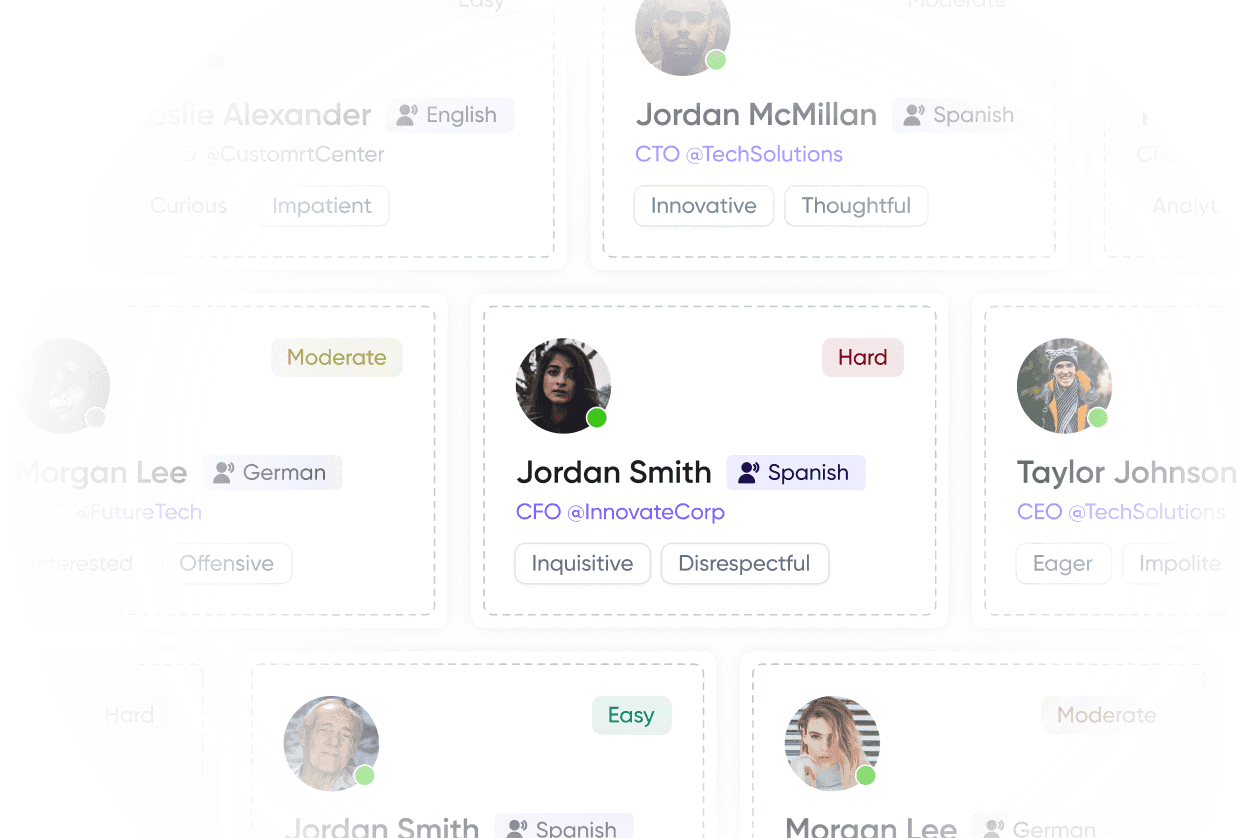
Realistic practice environments: Sellers train in simulations that mirror actual buyer behavior, including interruptions, objections, and complex stakeholder dynamics.
Faster adaptation to change: As products, pricing, or messaging evolve, AI systems can immediately update training scenarios without requiring new workshops or manuals.
Technologies such as AI avatars for sales training, virtual sales roleplay training, and AI agents for sales training make this scalable across teams and geographies. AI avatars act as realistic buyer personas, responding dynamically to a rep’s messaging and questions. Virtual sales roleplay platforms provide safe, repeatable environments where sellers can practice high-stakes conversations without risk. AI agents support reps with real-time feedback, coaching suggestions, and performance insights tied directly to deal outcomes.
Together, these capabilities transform technical sales training from a static knowledge exercise into a living system for continuous improvement—one that helps sellers stay credible, confident, and effective in increasingly complex sales conversations.
Click on Sales KPIs That Matter for Enablement and Revenue to see how organizations measure whether training actually improves execution.
Why Traditional Sales Training Fails for Technical Teams
Despite heavy investment in enablement, many organizations still face long ramp times and inconsistent execution. The problem lies in outdated training models that were never designed for complex, AI-driven sales motions.
Classroom-based learning and LMS courses lead to rapid knowledge decay. Harvard Business Review notes that without reinforcement, most learners forget the majority of training content within days. Manual roleplays, while valuable, are difficult to scale and often depend on manager availability and subjective feedback.
Coaching is another critical bottleneck. Frontline managers juggle forecasting, hiring, deal reviews, and internal meetings, leaving little time for structured coaching. As a result, coaching becomes reactive rather than proactive.
The biggest gap, however, is measurement. Traditional training fails to answer a fundamental question: does sales training improve revenue performance?
Common limitations include:
No clear linkage between training and win rates
Inconsistent coaching quality across managers
Limited visibility into skill execution during live deals
This is exactly where AI-driven sales training and sales roleplay simulators create transformational impact.Click on Sales Coaching and Training That Drives Execution to see how modern coaching models overcome these limitations.
Core AI Sales Training Capabilities for L&D Leaders
For L&D leaders, adopting AI sales training is about building a system that improves execution continuously, not just delivering content.
One of the most immediate benefits is faster onboarding. AI-powered onboarding emphasizes application over consumption. New hires practice real conversations using an AI simulator for sales reps, receiving instant feedback. Gartner research shows that organizations using AI-enabled onboarding can reduce ramp time by up to 50%.
Another critical capability is role-based learning. Effective AI-driven sales training recognizes that SDRs, AEs, SEs, and managers require different skills at different stages. Platforms that support role-specific learning journeys ensure technical sales training aligns with real responsibilities.
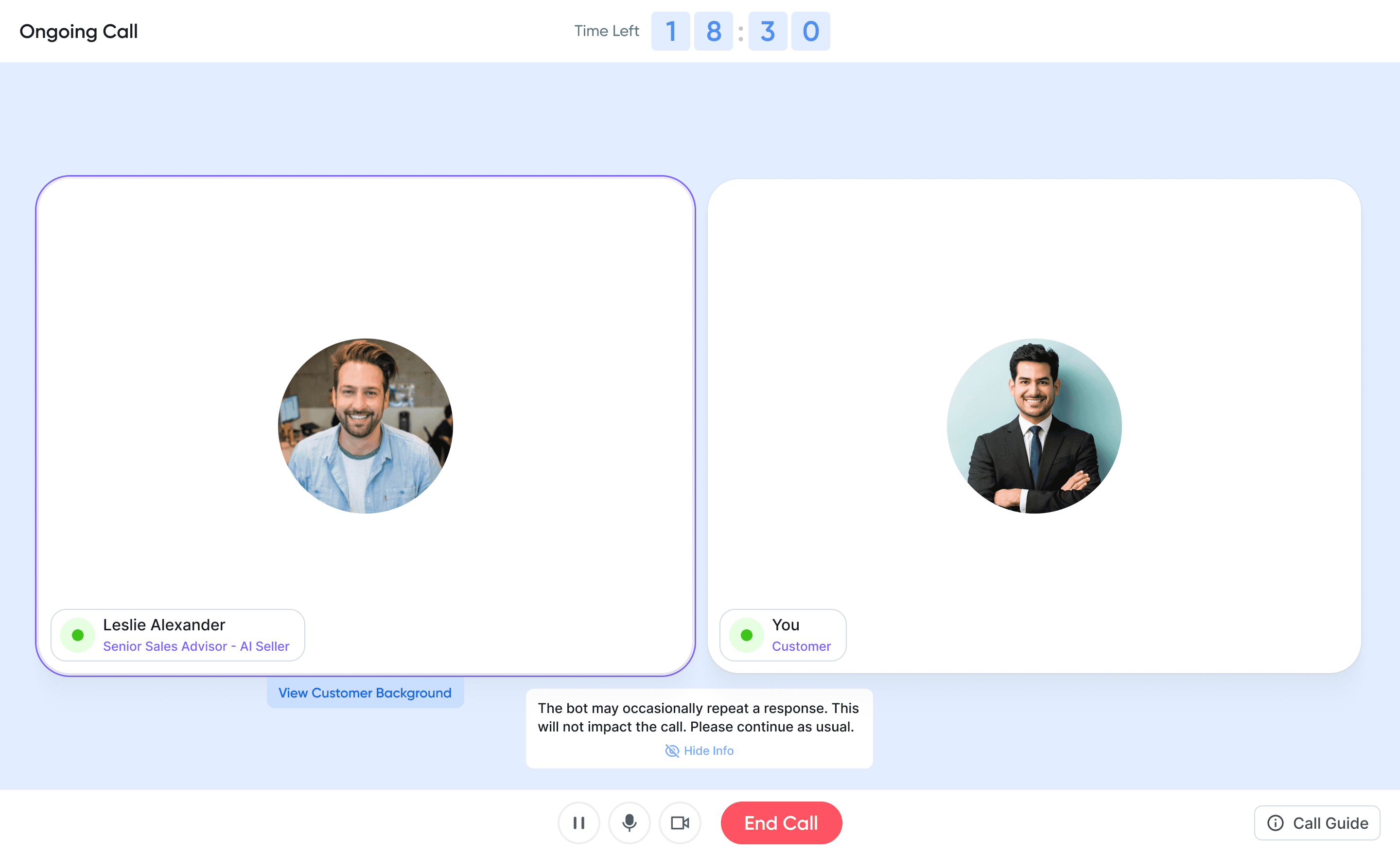
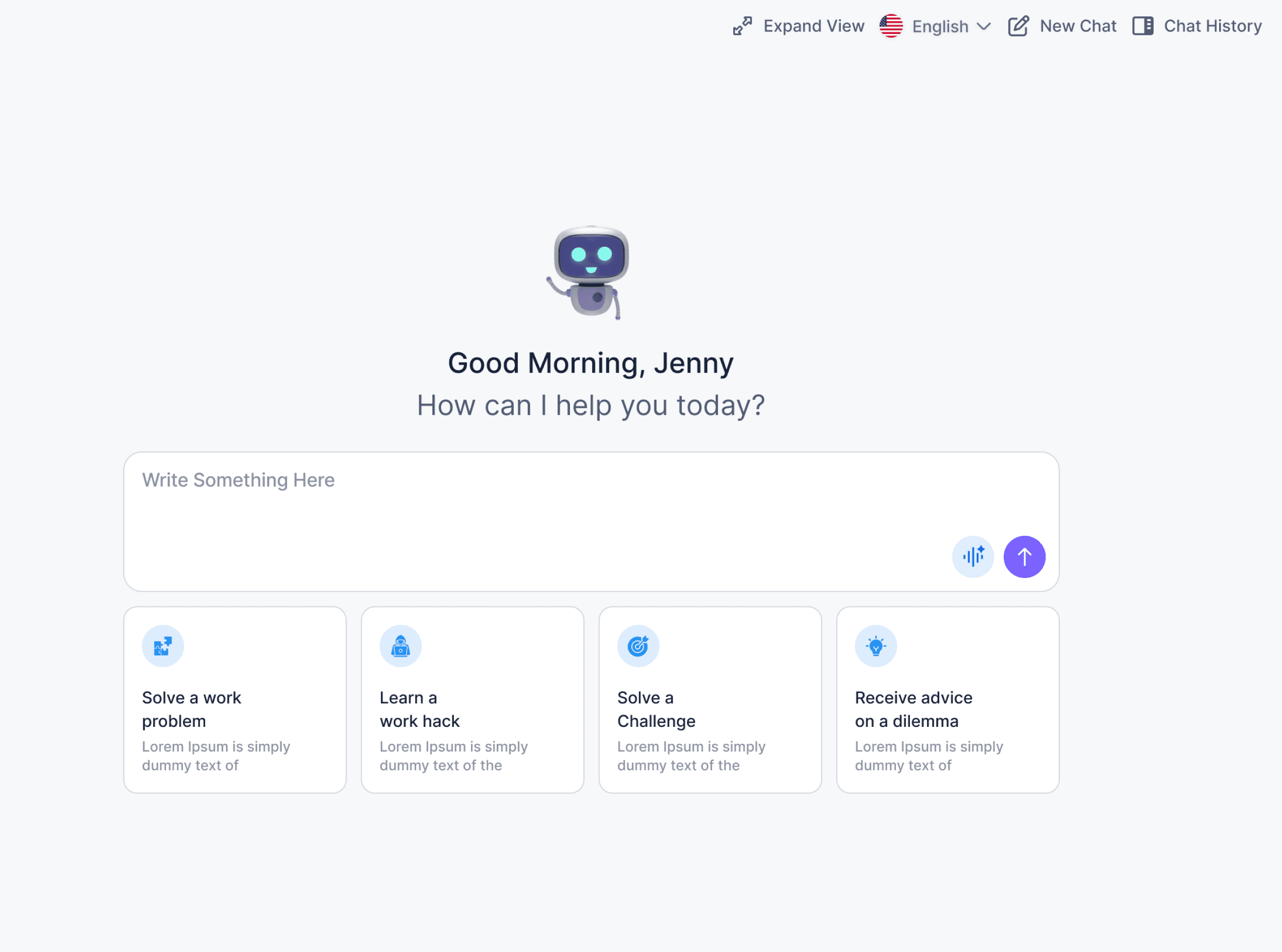
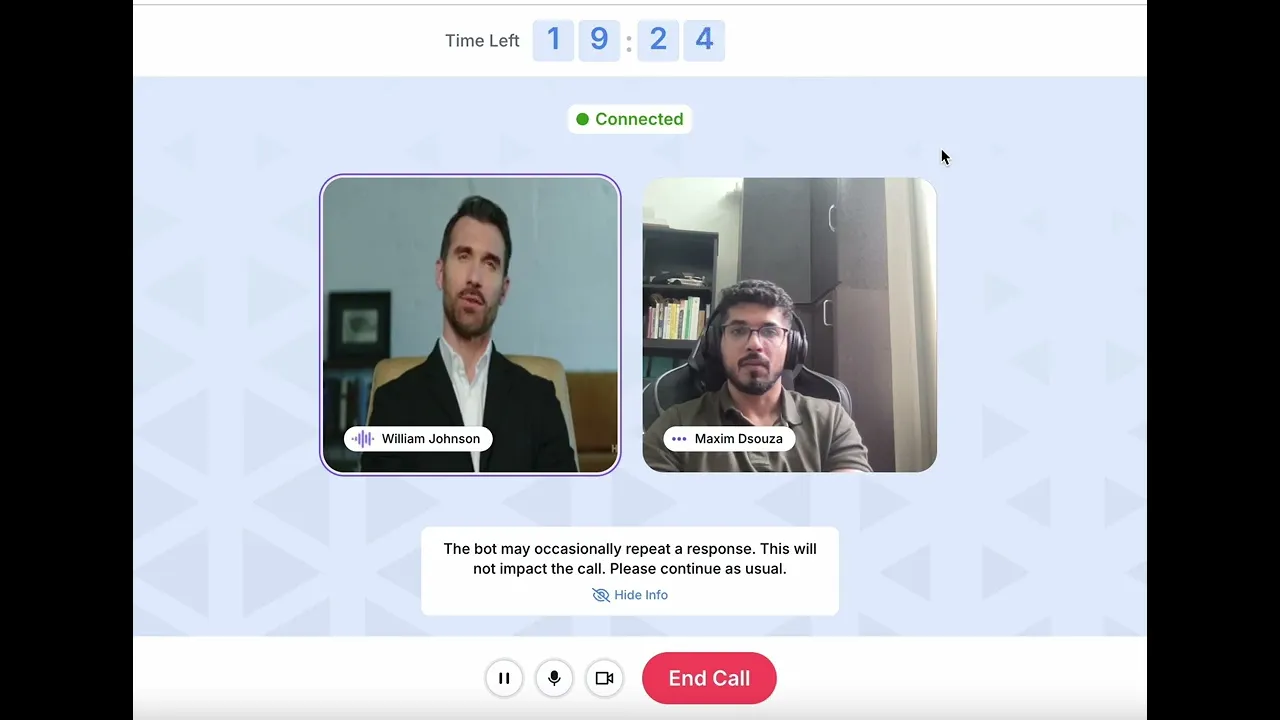
AI sales roleplay simulations are where learning truly accelerates. Unlike scripted roleplays, AI sales roleplay simulations dynamically adapt to a rep’s responses, introducing interruptions, objections, and buyer pushback. This realism is what makes virtual sales roleplay training far more effective than traditional practice.
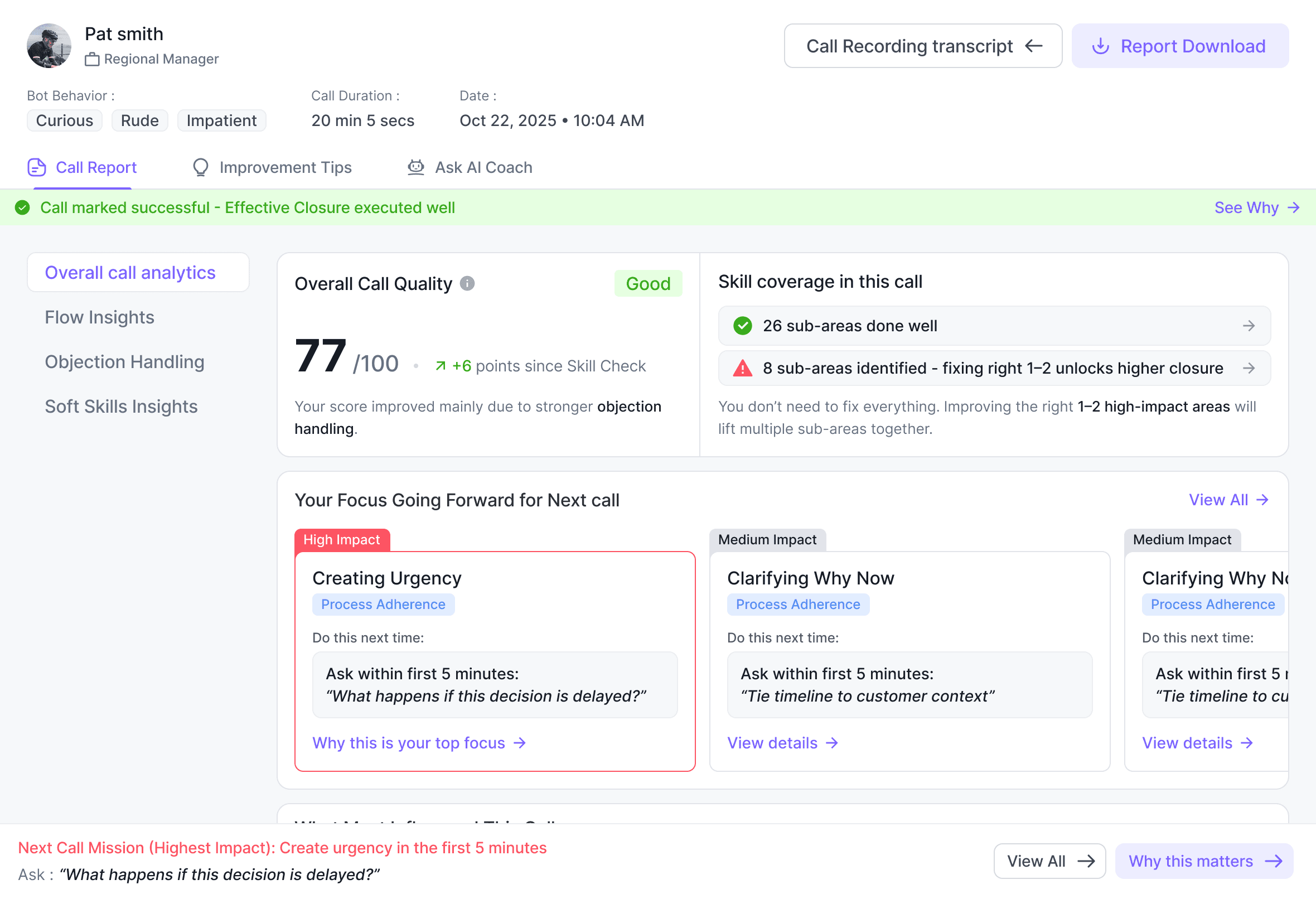
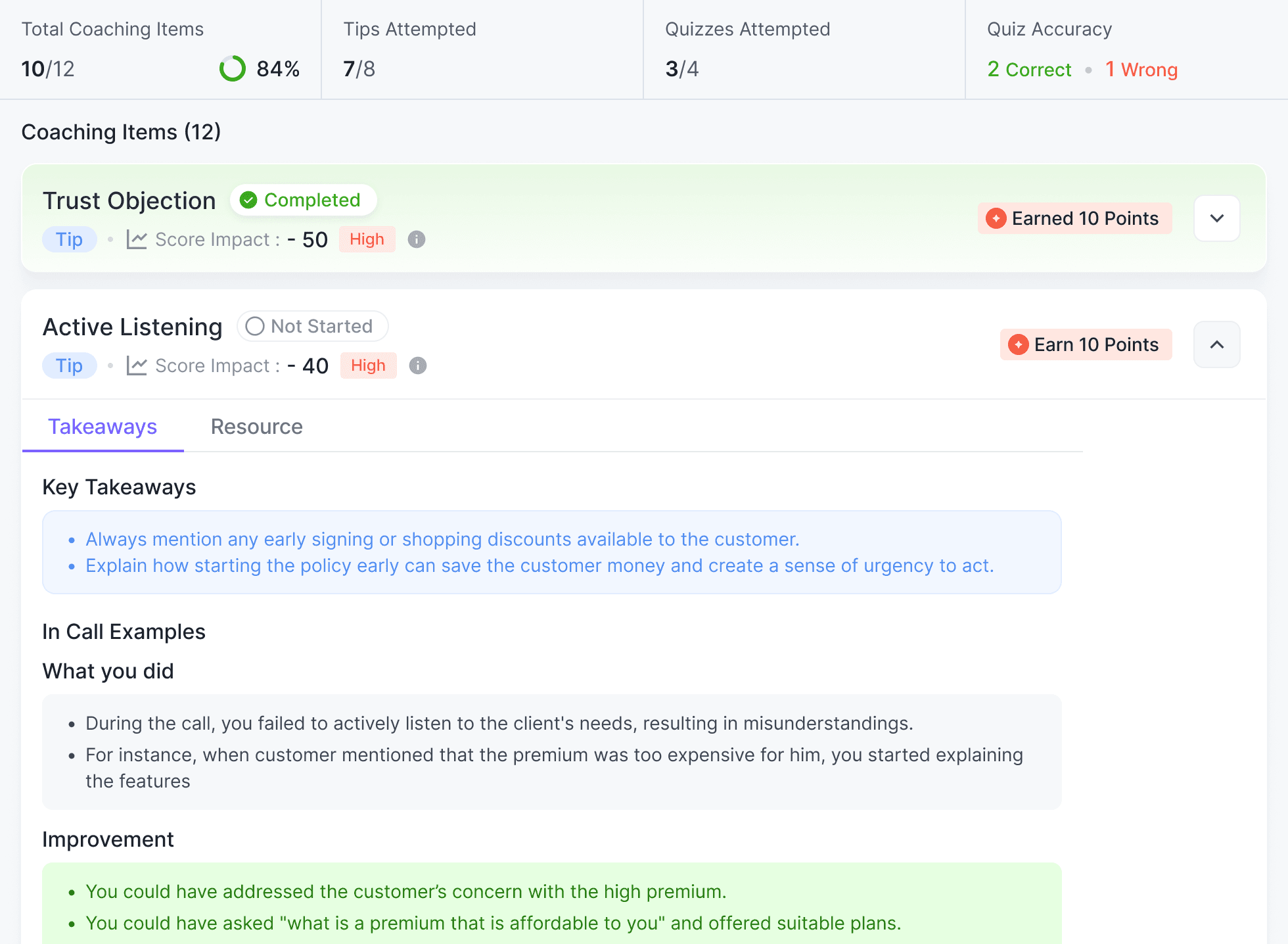
Finally, advanced platforms deliver dynamic coaching based on live deal and CRM context. By integrating AI sales call training with pipeline data, coaching happens while deals are still active.
Core capabilities to prioritize include:
Platforms that reduce onboarding time for SDRs and AEs
Role-based learning journeys for managers and reps
Dynamic sales coaching based on live deal and CRM context
Tools that measure sales enablement impact on win rates
AI Sales Roleplay and Call Simulators: Performance Impact
The real impact of AI roleplay sales training is most visible in enterprise and technical sales, where conversations are complex and mistakes are costly. Reps must manage multiple stakeholders, handle technical objections, defend pricing, and communicate value under pressure—something traditional, scripted training rarely prepares them for.
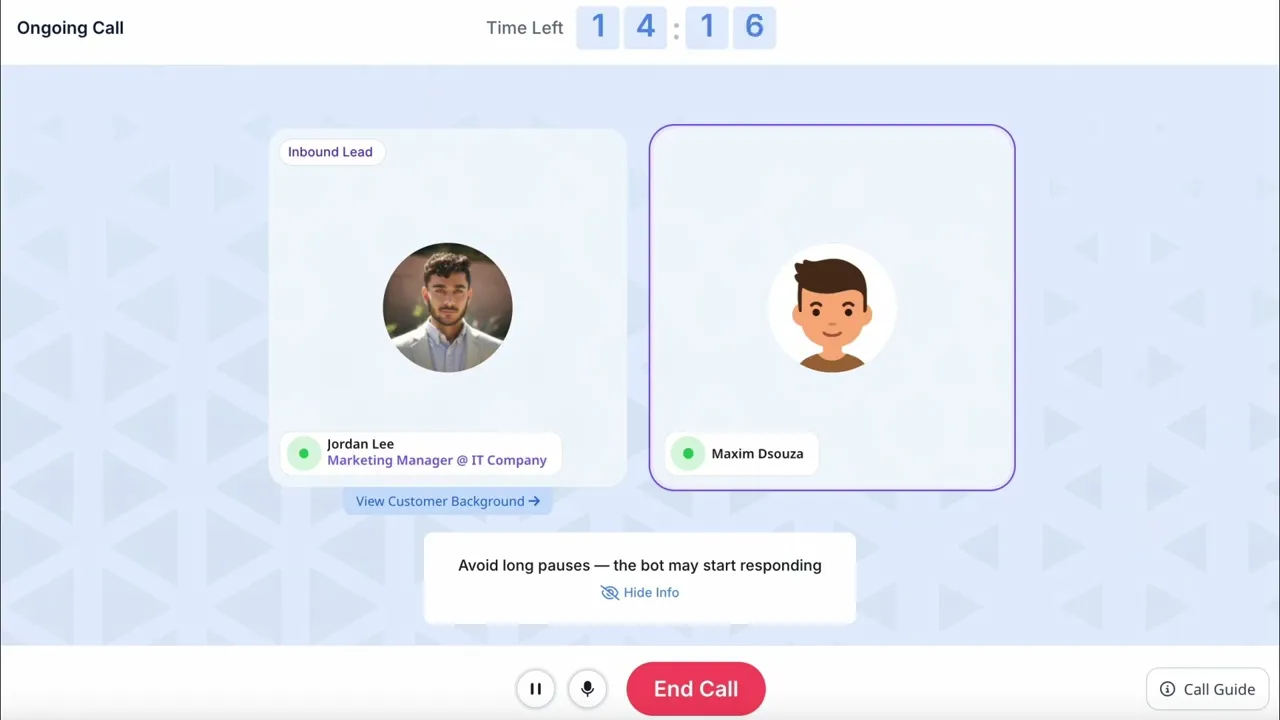
To address this, organizations are adopting sales roleplay simulators and call simulators for sales training that use AI roleplaying scenarios. These simulations adapt in real time, with AI buyers interrupting, pushing back, and challenging assumptions, closely mirroring real buyer behavior.
A mid-market SaaS company struggling with weak discovery used AI sales call training tied to real deal data. Reps practiced realistic scenarios, managers gained visibility into skill gaps, and within one quarter the team saw faster ramp times and higher deal conversion.
Why AI-driven roleplay works:
Judgment-free, repeatable practice
Realistic buyer interactions
Immediate, consistent feedback
Scenarios aligned to real ICPs and deal stages
Even short pilots, including AI sales role-play free programs, often prove enough value to drive adoption. Once sellers experience realistic practice, AI roleplay training becomes a clear performance advantage rather than just a training tool.
Click on AI Roleplay Calls and Coaching in Action to see how practice and forecasting insights work together.
AI-Driven Sales Forecasting: Latest Advancement
Beyond training and coaching, AI is also reshaping sales forecasting by replacing intuition-based assumptions with evidence-driven insight. Traditional forecasting relies on rep judgment, manual pipeline reviews, and stage-based probabilities, all of which are prone to optimism and inconsistency. In complex B2B sales environments, this often results in inaccurate forecasts and late-stage surprises.
AI-driven sales forecasting shifts focus from pipeline stages to buyer behavior by analyzing sales conversations using natural language processing and conversation intelligence. This enables leaders to understand deal health based on real buyer signals rather than subjective updates.
Key improvements enabled by AI-driven forecasting include:
Real-time deal intelligence from sales calls and CRM data
Early detection of buyer hesitation, risk signals, and deal friction
Reduced dependence on optimistic commit calls
Another major advancement is behavioral forecasting. Instead of relying only on deal attributes, AI evaluates how reps behave throughout the sales process. Behaviors such as coaching engagement, roleplay practice, discovery quality, and messaging consistency often predict outcomes more accurately than late-stage pipeline movement.
Behavioral forecasting allows leaders to:
Forecast based on actions, not confidence
Identify at-risk deals earlier
Intervene with targeted coaching before deals slip
The most advanced AI sales platforms integrate forecasting insights directly into training and coaching workflows. When AI identifies skills that correlate with higher win rates—such as objection handling or value articulation—coaching automatically shifts to reinforce those behaviors in active deals. This creates a closed-loop system where training directly influences forecast outcomes.
As Gartner predicts, by 2026 most B2B sales organizations will rely primarily on AI-driven forecasting models. Combined with AI-powered training and coaching, forecasting becomes a forward-looking capability grounded in buyer signals, rep behavior, and actionable insight—enabling more predictable and confident revenue growth.
Conclusion
The future of technical sales training is not driven by adding more content, longer training sessions, or additional meetings. It is defined by smarter practice, continuous coaching, and measurable improvement in real sales execution. As products become more complex and buyers more informed, organizations must shift their focus from knowledge delivery to performance enablement.
AI sales training makes this shift possible by turning enablement into an ongoing system rather than a one-time onboarding activity. Powered by AI-driven sales training and AI roleplay sales training, modern platforms help sales teams practice real conversations, receive instant feedback, and continuously improve how they sell. This approach ensures that learning is directly tied to how deals are run in real customer environments.
Click on Sales AI Software Checklist for Enablement Leaders to understand what capabilities matter most when evaluating AI-driven training platforms.
Key ways AI sales training transforms technical sales execution include:
Faster onboarding through hands-on practice rather than passive learning, allowing new hires to contribute sooner.
Consistent execution across teams by reinforcing proven sales behaviors and messaging.
Continuous coaching that adapts to changing products, markets, and buyer expectations.
Realistic practice environments that simulate discovery calls, technical objections, pricing discussions, and stakeholder conversations.
Data-driven feedback that highlights specific areas for improvement instead of generic coaching advice.
Clear measurement of training impact by linking practice behaviors to deal outcomes, win rates, and revenue performance.
Reduced dependency on managers for constant coaching, while still maintaining visibility into rep readiness and progress.
By connecting training directly to execution, AI sales training removes uncertainty from enablement efforts. Leaders gain confidence that sellers are prepared for real-world conversations, while reps develop skills in a low-risk, high-impact environment.
For modern sales organizations, adopting an AI sales training platform is no longer a future consideration or a nice-to-have tool. It is a foundational capability for scaling sales performance, maintaining technical credibility, and ensuring that enablement investments translate into consistent and measurable revenue growth.
FAQs
1. What is AI sales training?
AI sales training uses machine learning and simulations to deliver personalized, scalable, and outcome-driven sales enablement.
2. How does AI-driven sales training help technical sellers?
It enables realistic practice, faster onboarding, and consistent execution through AI sales roleplay simulations.
3. Are AI sales role-play free tools effective?
They are useful for pilots, but enterprise impact typically requires full-featured platforms.
4. What is a sales roleplay simulator?
A tool that simulates real buyer conversations using AI.
5. How do AI avatars for sales training work?
They act as dynamic buyer personas that respond realistically to rep inputs.
6. Can AI replace sales managers?
No. AI augments managers by scaling coaching and insights.
7. What is a call simulator for sales training?
A system that allows reps to practice live sales conversations in an AI environment.
8. How do AI agents for sales training provide feedback?
They analyze messaging, structure, and objection handling in real time.
9. How is AI sales training linked to revenue?
Advanced platforms connect training behaviors to CRM outcomes and win rates.
10. What should L&D leaders prioritize in AI sales training platforms?
Realistic simulations, role-based learning, CRM integration, and measurable impact.
References
Sales Enablement Training: Driving Revenue Through L&D
An L&D Guide to Becoming an AI-First Organization
The Role of AI in Corporate Training: 2026 Guide
How AI Sales Training and Coaching Boosts Success
AI in Learning & Development: What Leaders Need To Know


Practice Makes Revenue: AI Roleplays for Rapid Ramp-Up
Explore AI Sales Roleplays
Reduce Ramp-Up time by
47%
and double your sales productivity
Maxim Dsouza is the Chief Technology Officer at Eubrics, where he drives technology strategy and leads a 15‑person engineering team. Eubrics is an AI productivity and performance platform that empowers organizations to boost efficiency, measure impact, and accelerate growth. With 16 years of experience in engineering leadership, AI/ML, systems architecture, team building, and project management, Maxim has built and scaled high‑performing technology organizations across startups and Fortune‑100. From 2010 to 2016, he co‑founded and served as CTO of InoVVorX—an IoT‑automation startup—where he led a 40‑person engineering team. Between 2016 and 2022, he was Engineering Head at Apple for Strategic Data Solutions, overseeing a cross‑functional group of approximately 80–100 engineers.