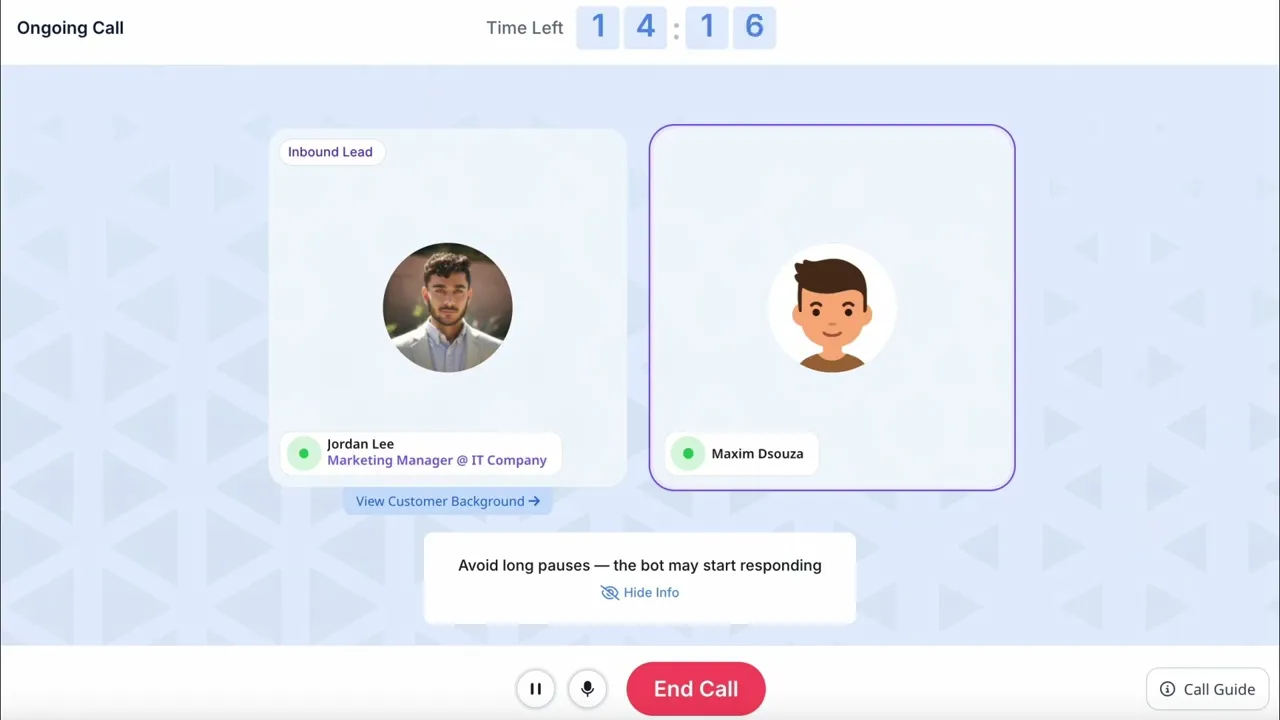
Sales roleplays help reps practice real customer conversations before they happen in the field. From handling objections to running discovery calls, roleplay scenarios help teams build confidence and improve performance.
Below are practical sales roleplay examples used by modern sales teams to train reps, improve conversation skills, and prepare for real buyer interactions.
Why Sales Roleplay Matters
Why Sales Teams Use Roleplay Training
Great sales conversations rarely happen by accident. Top-performing teams practice common scenarios so reps know how to respond in real customer interactions.
Sales roleplay helps teams:
Practice real customer conversations
Improve objection handling
Build confidence before live calls
Reduce mistakes in real deals
Prepare new hires faster
However, traditional roleplay is often difficult to scale, which is why many teams are adopting AI-powered roleplay training.
Sales Roleplay Examples Used in Training
Common Sales Roleplay Scenarios
Sales teams use different roleplay scenarios depending on the stage of the sales process. Practicing these situations helps reps improve communication and decision-making during real customer conversations.
Cold Outreach Roleplay
Practice the first conversation with a prospect who may not yet understand the product or its value.
Focus areas:
Opening the conversation
Handling initial resistance
Creating curiosity
Booking the next meeting
Discovery Call Roleplay
Discovery calls help reps understand customer needs and identify opportunities.
Focus areas:
Asking effective questions
Identifying customer pain points
Understanding decision processes
Positioning the product effectively
Objection Handling Roleplay
Buyers often raise concerns around price, competitors, or timing. Practicing objections prepares reps to respond confidently.
Focus areas:
Price objections
Budget concerns
“We already use a competitor”
“Now is not the right time”
Product Demo Roleplay
Product demos require strong communication and the ability to connect features to business value.
Focus areas:
Explaining product value clearly
Handling technical questions
Addressing concerns during the demo
Moving the conversation toward next steps
Closing Conversation Roleplay
Closing conversations often determine whether a deal moves forward.
Focus areas:
Addressing final objections
Reinforcing value
Confirming decision makers
Securing commitment
New Hire Sales Training Roleplay
Roleplay is one of the most effective ways to train new sales reps before they interact with real prospects.
Focus areas:
Understanding the sales process
Practicing common conversations
Learning how to handle objections
Building confidence in customer interactions
Common Sales Roleplay Mistakes
Why Traditional Roleplay Often Fails
While roleplay is valuable, many sales teams struggle to run it effectively.
Common challenges include:
Roleplays happen too rarely
Managers often don’t have time to run regular practice sessions.
Scenarios feel unrealistic
Managers or peers acting as prospects rarely replicate real customer behavior.
Feedback is inconsistent
Reps may not receive structured feedback after roleplays.
Practice doesn’t scale
Large teams cannot run enough roleplay sessions for everyone.
Because of these challenges, many organizations are adopting AI-powered roleplay tools to make training more scalable and consistent.
How AI Improves Sales Roleplay Training
AI Roleplay Makes Sales Practice Scalable
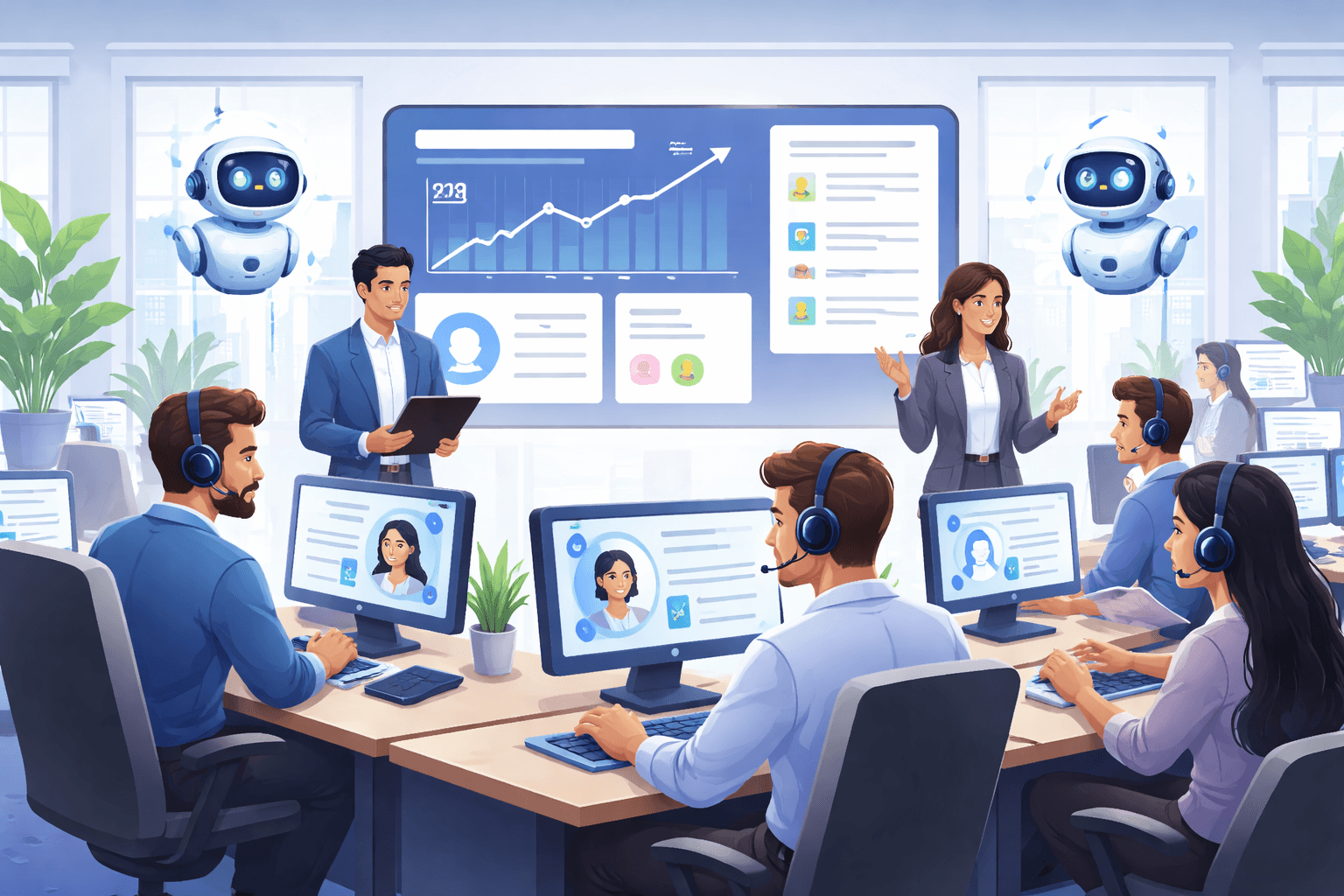
AI roleplay allows sales teams to practice realistic conversations anytime without relying on managers or teammates.
With AI-powered roleplay training, reps can:
Practice conversations anytime
Interact with realistic AI buyer personas
Train on multiple scenarios
Receive instant AI-generated feedback
Track improvement over time
This turns roleplay from an occasional training activity into continuous skill development.
Before vs After AI Sales Roleplay
Traditional sales training often leaves reps underprepared for real conversations. AI roleplay helps teams practice consistently and improve faster.
Traditional Roleplay
AI Sales Roleplay
Practice happens occasionally
Practice anytime
Managers act as prospects
AI simulates realistic buyers
Limited scenarios
Unlimited scenarios
Feedback depends on managers
Instant AI feedback
Hard to scale
Scales across teams
With AI roleplay, practice becomes a continuous improvement process, not just a training activity.
What Sales Teams Say About AI Roleplay
Real Results from Sales Teams Using AI Roleplay
Sales teams using AI roleplay training report improvements in both rep confidence and sales performance.play is valuable, many sales teams struggle to run it effectively.
“New hires became confident on customer calls much faster.”
AI roleplay allowed reps to practice multiple conversations before speaking to real prospects.
“Managers finally have time to focus on coaching instead of running roleplays.”
AI handles repetitive practice sessions while managers focus on strategy.
“We saw noticeable improvement in objection handling.”
Reps improved their responses through repeated practice and feedback.
See how leading sales teams are using AI roleplays to improve training, reduce ramp time, and prepare reps for real customer conversations.

Everything you need to know about the product and more.
How do AI sales roleplays work on the Eubrics platform?
Sales reps interact with AI-generated customer personas that simulate real buyers, objections, and sales scenarios. These conversations feel like real calls, allowing reps to practice discovery, objection handling, and closing in a realistic and repeatable environment.
How does Eubrics customize training for our sales team?
Eubrics allows you to configure customer personas, industry scenarios, ICPs, and sales workflows specific to your organization. The platform adapts roleplays and evaluations to mirror your real sales conversations and processes.
What insights and analytics does the platform provide?
Eubrics provides real-time insights into rep performance, skill gaps, strengths, and readiness levels. Leaders can track improvement across teams, identify coaching opportunities, and measure the impact of training.
Can Eubrics integrate with our existing tools?
Yes. Eubrics integrates with major CRM, HRMS/HRIS, and ATS systems, making it easy to connect training data with your existing workflows.
Does Eubrics replace sales managers or trainers?
No. Eubrics augments sales leaders by providing scalable practice, feedback, and performance insights, allowing managers to focus on targeted coaching and strategic development.
How quickly can we see results?
Most teams begin seeing improvements in sales readiness, confidence, and call quality within the first few weeks as reps consistently practice and receive feedback.
What industries does Eubrics support?
Eubrics supports a wide range of industries including B2B SaaS, banking, insurance, financial services, and contact centers. Roleplays can be tailored to any sales motion or industry context.
How secure is our data on the platform?
Eubrics uses enterprise-grade security with encrypted data storage and complies with industry standards including ISO 27001 and SOC 2, ensuring your training data remains protected.
How long does it take to implement Eubrics?
Most teams can get started within a few days. Our team helps configure roleplays, evaluation metrics, and scenarios tailored to your sales environment.
Can we create our own evaluation metrics and scorecards?
Yes. Eubrics allows organizations to define custom competency frameworks and scorecards aligned with their sales methodology and coaching goals.
Is Eubrics suitable for onboarding new sales hires?
Yes. Eubrics is widely used for onboarding, enabling new hires to practice real sales conversations and build confidence before engaging with actual customers.
How is Eubrics different from traditional sales training?
Traditional training focuses on theory and one-time workshops, while Eubrics provides continuous practice, AI-driven feedback, and measurable readiness insights to ensure skills translate into real performance.